Beyond the Brochure: Evaluating Equine Rehab Centers for Optimal Recovery
By Claire Halden
Choosing an equine rehabilitation center for your horse demands rigorous evaluation far beyond glossy marketing materials. Learn what critical factors, from veterinarian oversight to facility protocols, truly matter for successful equine rehabilitation.
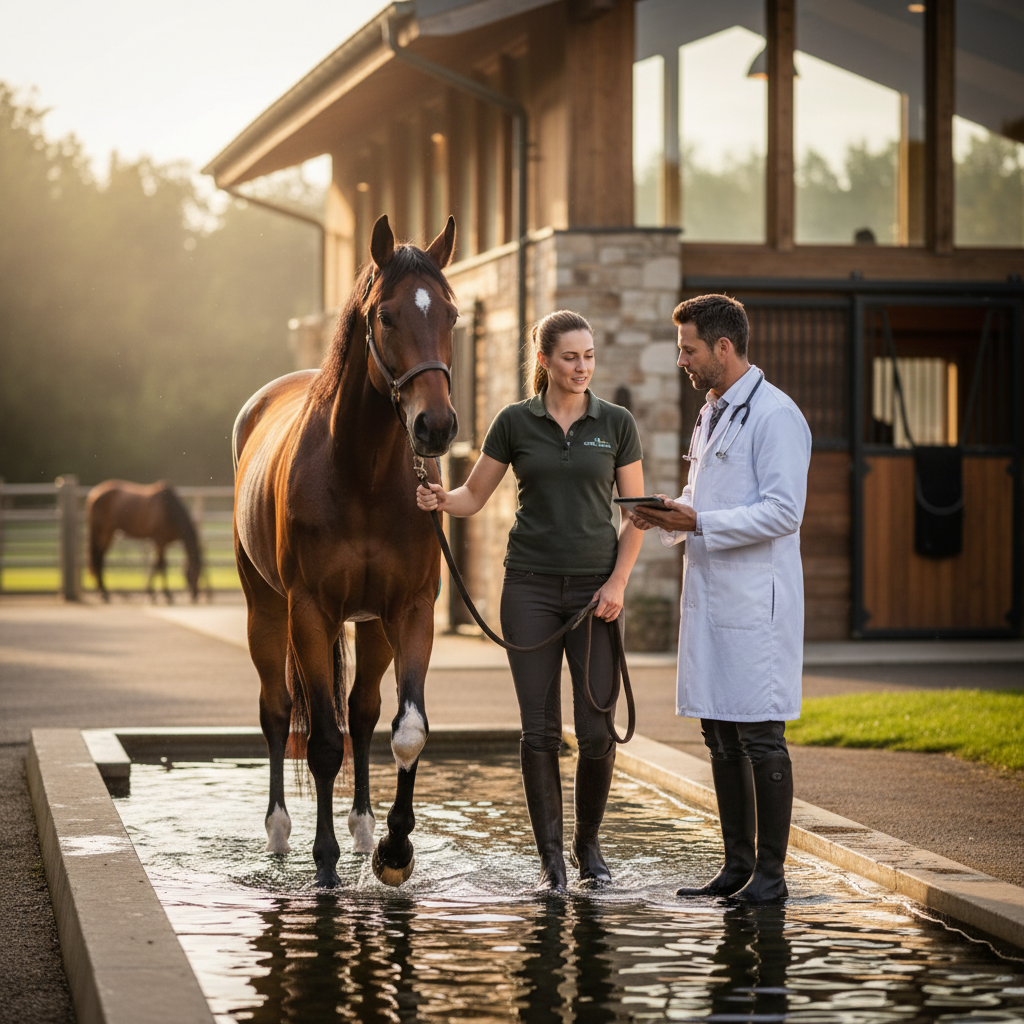
Despite an average recovery time of 6-12 months for common equine injuries like suspensory ligament tears, the success of rehabilitation hinges significantly on the quality of the chosen facility. This article provides a deep dive into evaluating equine rehabilitation centers, moving beyond superficial appearances to uncover the critical factors that dictate a horse's successful recovery.
Why In-Depth Evaluation is Crucial for Equine Rehabilitation
Equine rehabilitation is a specialized field designed to restore soundness and performance after injury, illness, or surgery. It involves a multidisciplinary approach, often incorporating physical therapies, controlled exercise, and specialized care. The decision of where to send your horse for rehab is paramount, impacting not only the financial investment—which can range from $1,500 to $5,000 per month depending on location and services—but also your horse's long-term health and athletic future.
Facilities vary widely in their offerings, expertise, and standards. A poorly managed or inadequately equipped center can hinder recovery, lead to secondary complications, or even prolong the rehabilitation process indefinitely. A thorough evaluation ensures your horse receives appropriate, evidence-based care tailored to their specific needs.
Essential Criteria for Evaluating Equine Rehabilitation Centers
1. Veterinary Oversight and Collaboration
The cornerstone of any reputable equine rehabilitation center is strong veterinary involvement. Rehabilitation protocols should be developed and continuously overseen by a licensed veterinarian, ideally one with specialized training in lameness, sports medicine, or physical rehabilitation.
- On-site vs. Consulting Veterinarian: Understand the level of veterinary presence. Is there a veterinarian on staff daily, or do they consult externally? For complex cases, an on-site or regularly scheduled consulting veterinarian is preferable.
- Communication Protocols: Inquire how the center communicates with your referring veterinarian. Seamless information exchange, including progress reports, diagnostic updates, and treatment modifications, is vital. The American Association of Equine Practitioners (AAEP) emphasizes the importance of a collaborative approach between referring vets and rehabilitation specialists.
- Emergency Protocols: A clear plan for veterinary emergencies, including access to emergency services and referral hospitals, should be in place.
2. Qualified Staff and Expertise
The individuals directly handling your horse daily are critical to their recovery. Look beyond basic horse-handling skills.
- Certified Therapists: Seek out centers employing certified equine rehabilitation therapists (CERTP, CRPT) or physical therapists with specialized equine training. These certifications indicate formal education and competency in modalities like therapeutic exercise, manual therapy, and electro-physical agents.
- Experienced Handlers: Grooms and handlers should possess a deep understanding of equine behavior, injury management, and specific handling techniques for horses in various stages of recovery. A horse recovering from a soft tissue injury or neurological deficit requires a handler who understands their physical limitations and can ensure safety during turnout or hand walking.
- Staff-to-Horse Ratio: A lower ratio generally indicates more individualized attention. A ratio of 1:5 to 1:8 is often considered good for comprehensive care, allowing staff to monitor progress closely and adapt programs as needed.
3. Facility Infrastructure and Equipment
The physical environment and available equipment directly impact the range and effectiveness of therapies.
- Stabling and Turnout: Stalls should be safe, clean, and appropriately sized (e.g., 12x12 feet for most horses). Turnout options should be flexible, ranging from small, individual paddocks for controlled exercise to larger, safe areas for gradual reintroduction to activity. Fencing should be secure and visible.
- Therapeutic Modalities: A comprehensive center offers a variety of therapeutic equipment, which may include:
- Aquatic Therapy: Underwater treadmills or swimming pools are excellent for non-weight-bearing exercise, reducing concussion while building strength. Prices for sessions can range from $50 to $150 per session.
- Vibrating Plates: Used for bone density, circulation, and muscle stimulation.
- Cold Saltwater Spas: Effective for reducing inflammation and swelling in limbs.
- Therapeutic Lasers (Class IV): For deep tissue healing and pain management.
- Magnetic Field Therapy (PEMF): Promotes healing and reduces inflammation.
- Therapeutic Ultrasound: For soft tissue injuries.
- Treadmills (High-Speed & Inclined): For controlled, measurable exercise. Ensure the facility maintains this equipment rigorously.
- Safe Rehabilitation Areas: Dedicated, non-slip areas for hand walking, stretching, and ground exercises are essential. Round pens, small arenas, or designated therapy zones should have safe footing and clear pathways.
4. Tailored Rehabilitation Programs
Avoid
This article is general information, not veterinary advice. Talk to your veterinarian about your horse.