NutritionBy Claire Halden
Feeding the Senior Horse: Teeth, Forage, and Condition
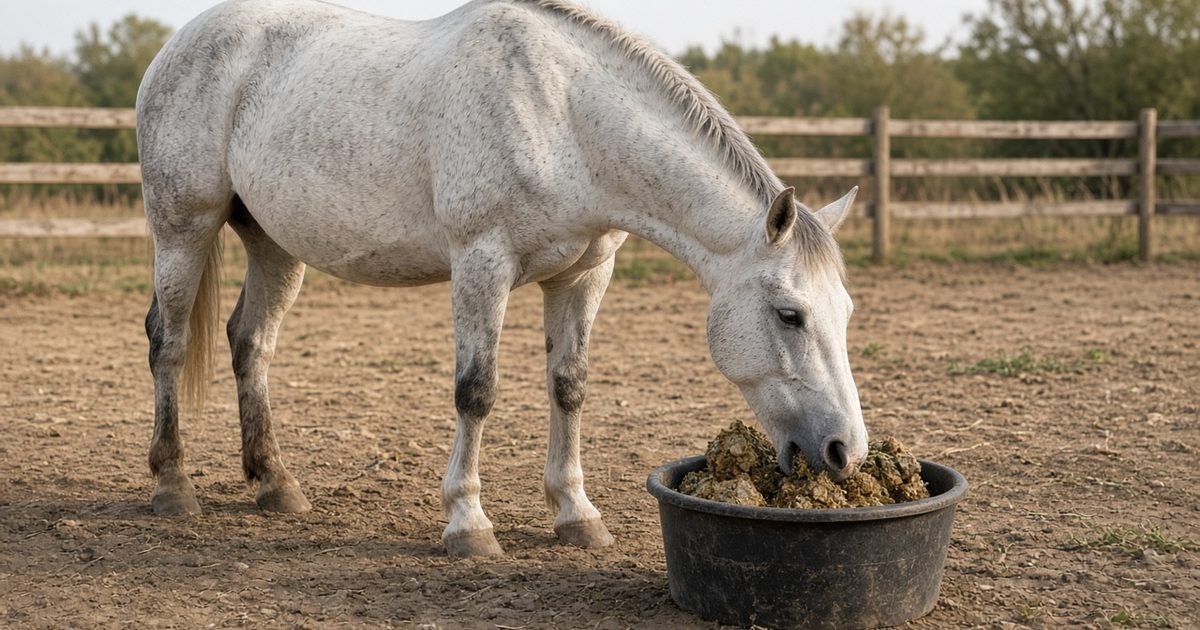
Senior horses still need at least 1% of body weight in forage. See Alberta and Minnesota feeding guidance, dental care, and a free feed calculator.
8 min readRead →
Practical articles on horse ownership, feeding, breeding, and the business of running a barn.
Senior horses still need at least 1% of body weight in forage. See Alberta and Minnesota feeding guidance, dental care, and a free feed calculator.
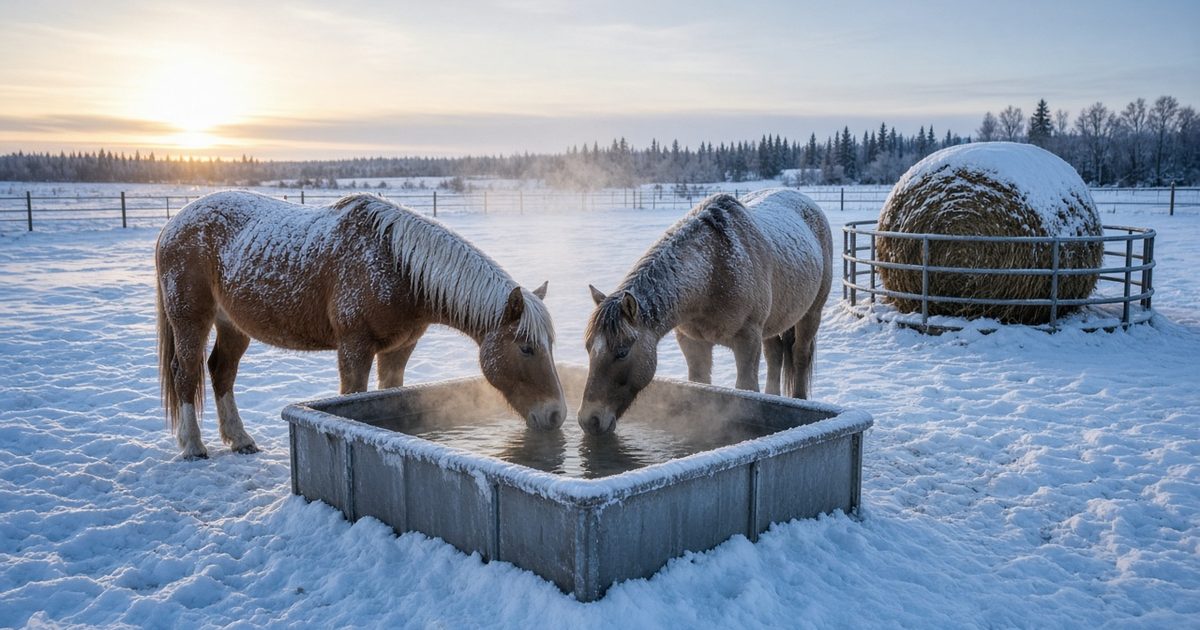
Alberta winters demand unfrozen water and more hay. See official NDSU, Minnesota, and Alberta figures, and use a free feed calculator.
What to put in a horse lease or boarding agreement, how official keep costs inform the fees, and where Equine Legal Docs templates fit — not legal advice.
There is no official Canadian average horse-lease rate. Learn how to price a full or half lease from real keep costs, and use a lease-payment calculator.
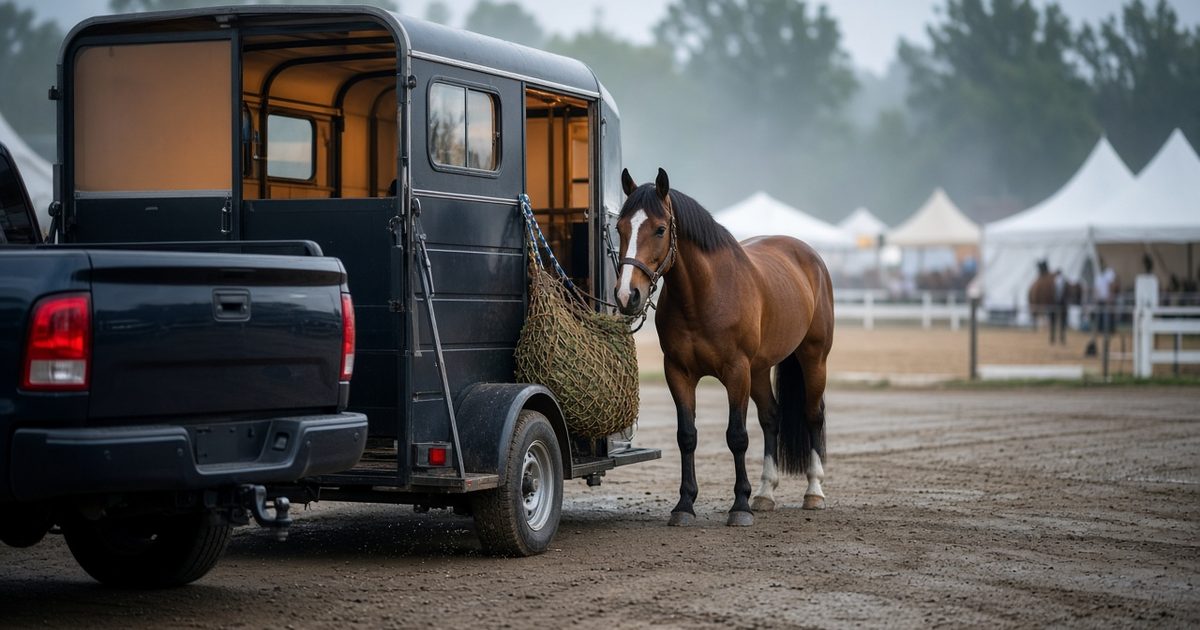
Budget a horse show season with official Canadian travel and keeping-cost figures and 2026 AEF membership fees, plus a free show-budget calculator.
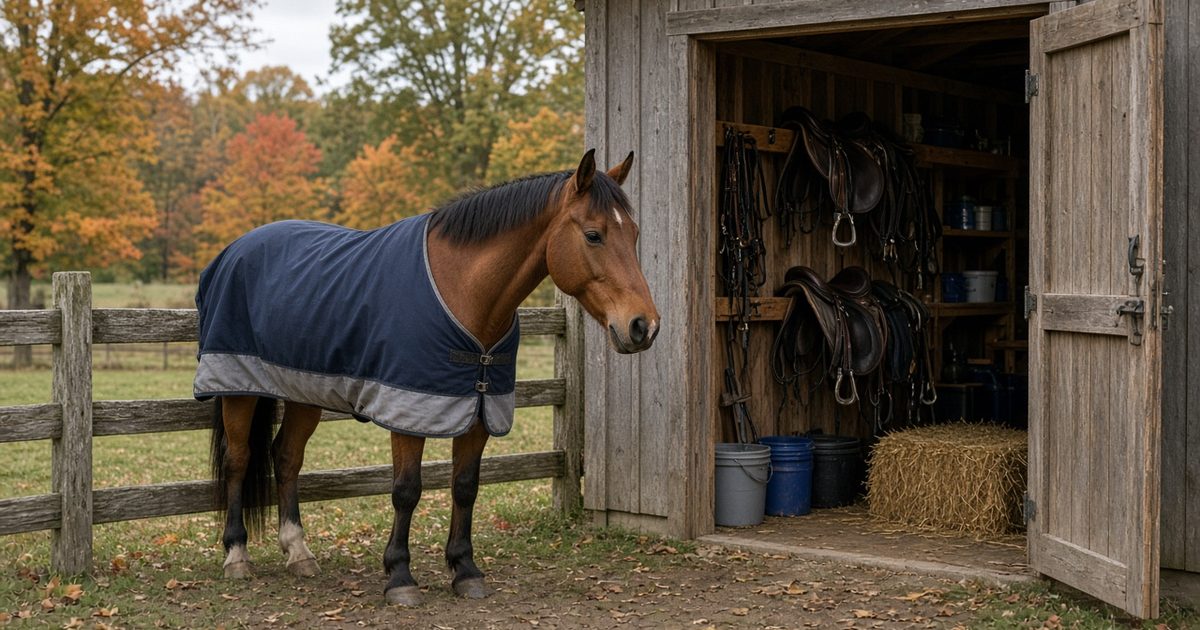
Equestrian Canada put Alberta's average keep at $14,874 in 2022. See the official breakdown, 2026 hay and labour context, and free cost calculators.
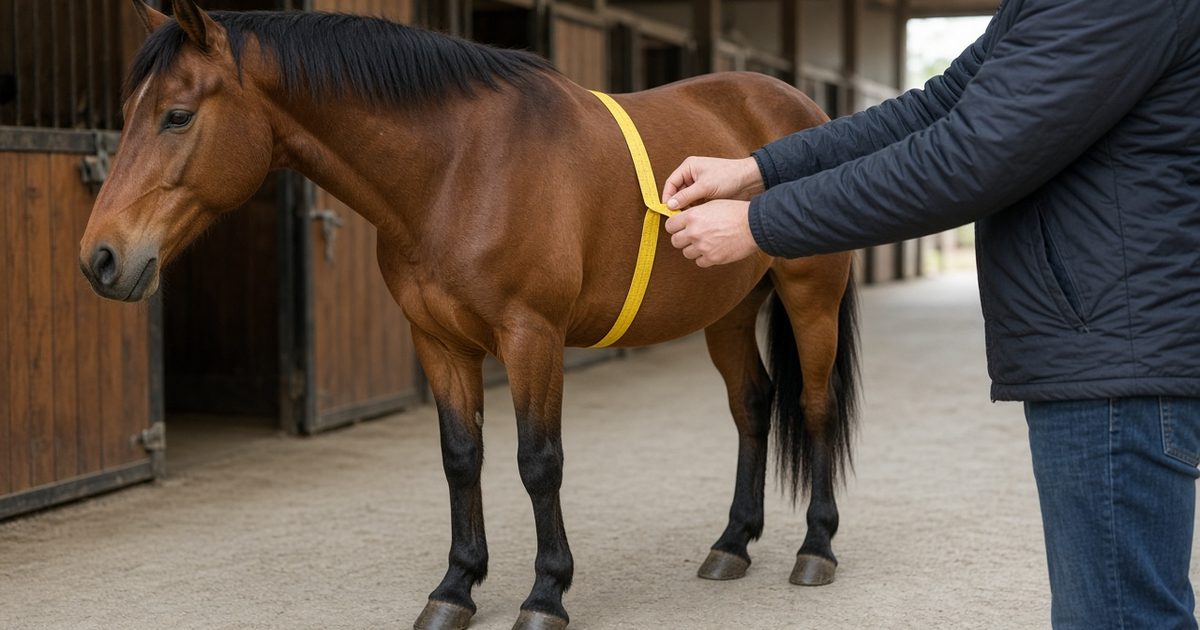
Learn how to estimate a horse's weight with a weight tape or girth-and-length formula, using Ontario and extension methods, plus a free calculator.
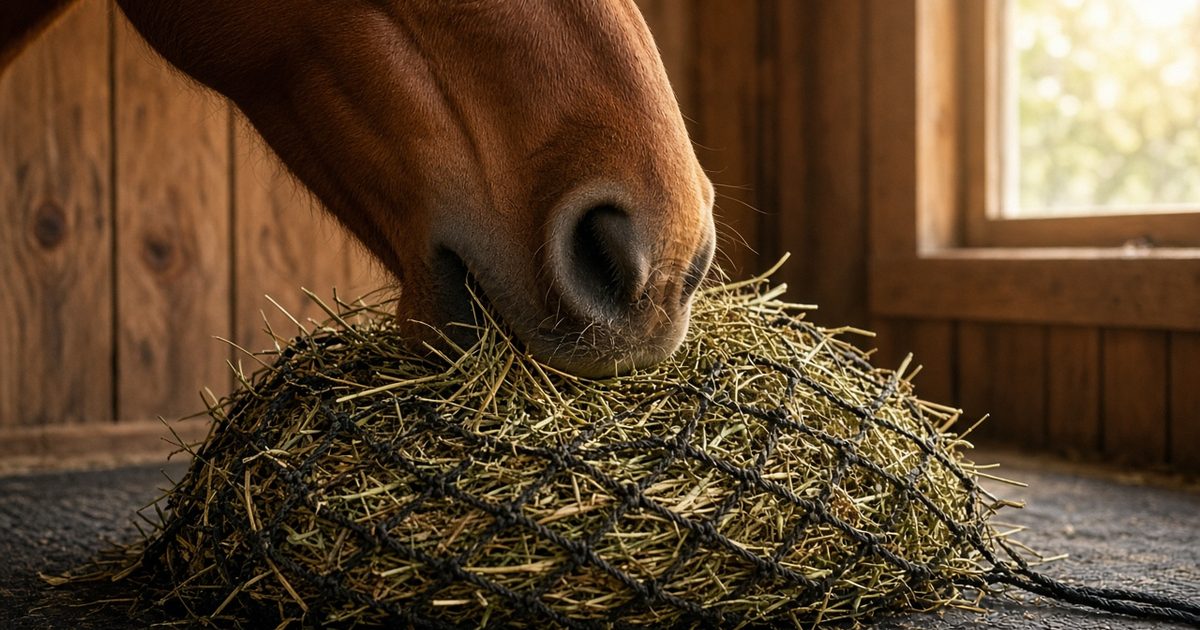
See how much hay a horse eats per day using Alberta, Ontario, and extension guidelines, plus a free feed calculator for your horse's weight.
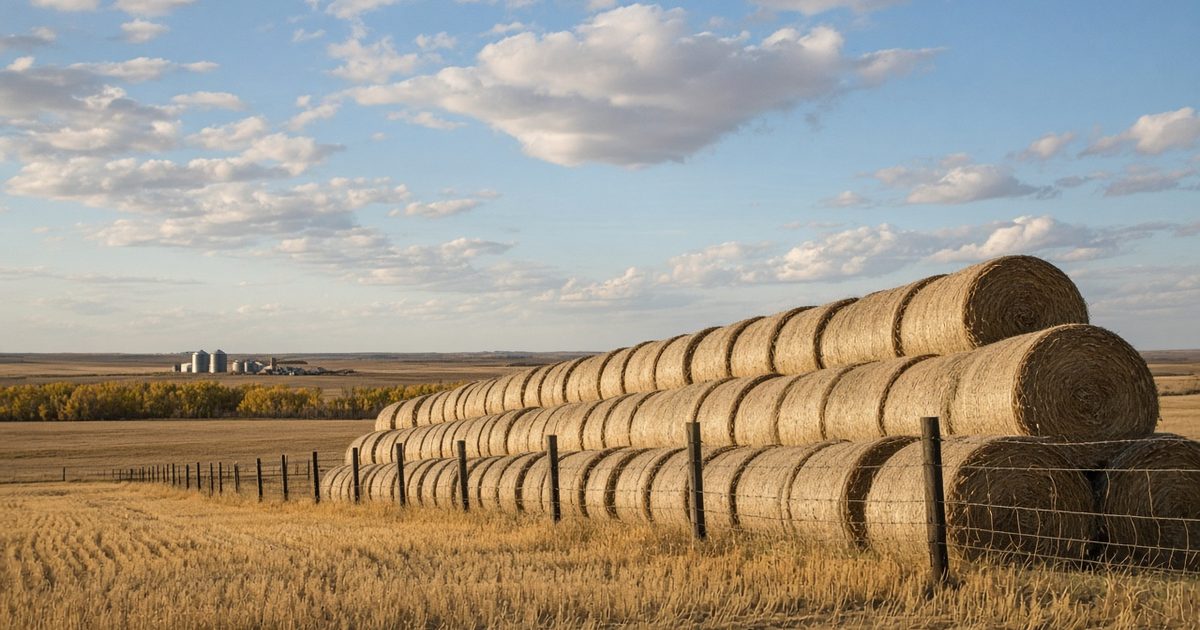
Alberta's October 2026 farm-gate hay average was $173.43 per ton. See what that official figure includes, and how to budget by the bale.
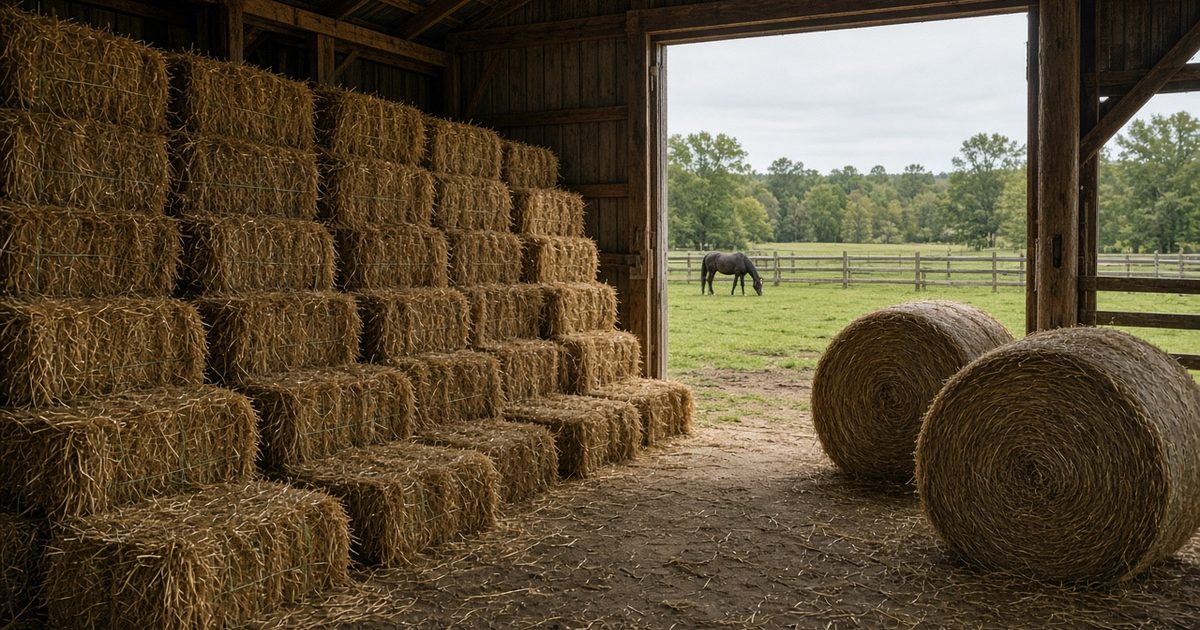
Compare small square and round hay bales for horses using extension waste and storage figures, and a calculator for cost per pound.
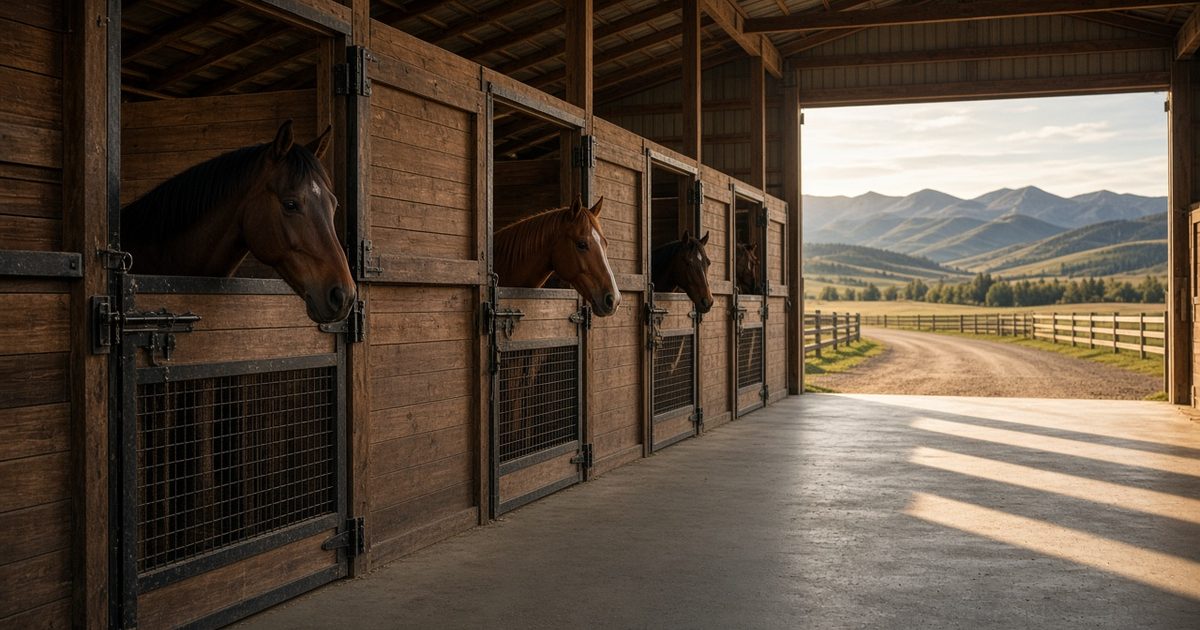
Equestrian Canada's 2022 survey put Alberta boarding at $723 a month. See that official figure, current barn examples, and a boarding-cost calculator.
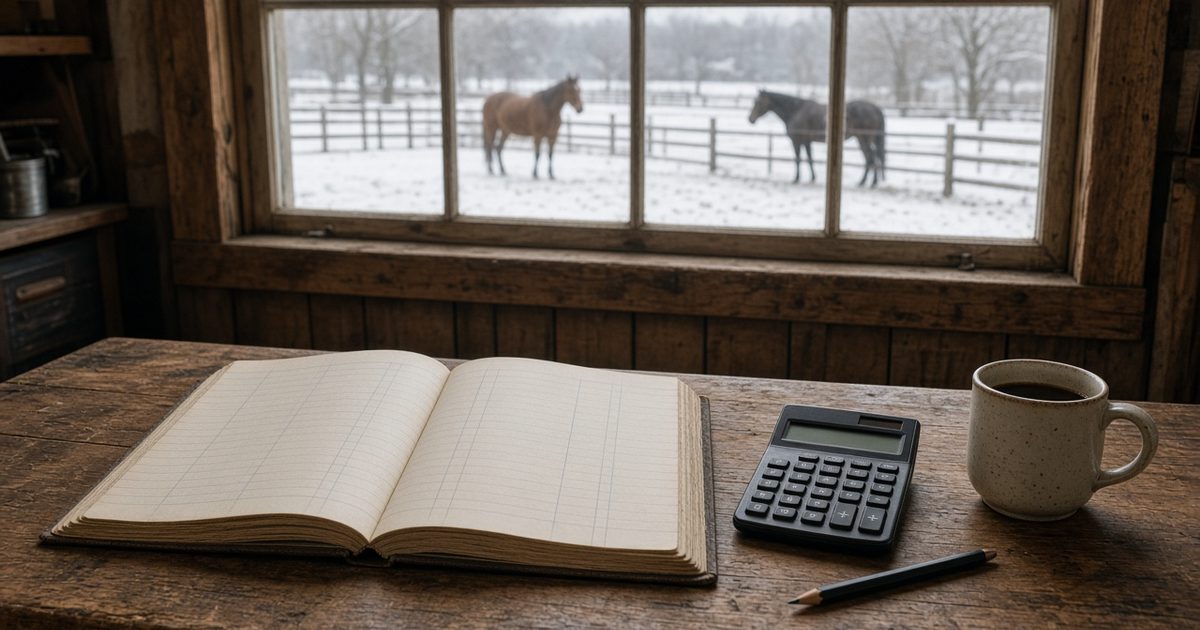
Build a horse-boarding P&L with official Alberta labour and hay figures and Equestrian Canada's 2022 rates, plus a free barn profit calculator.
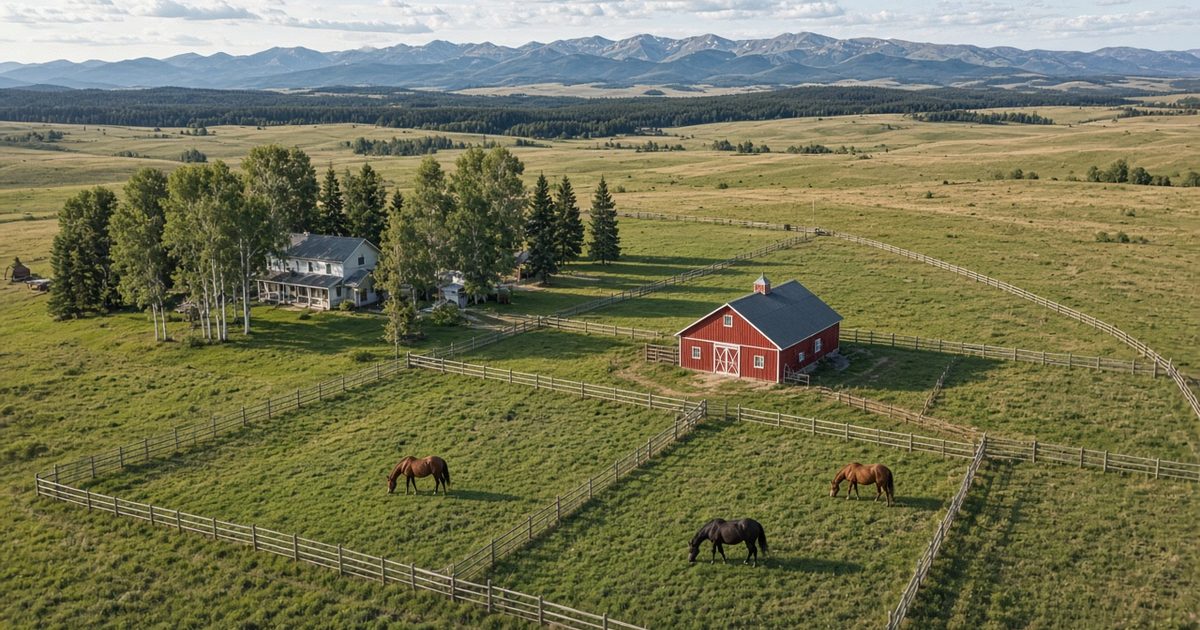
Official Alberta figures start at 4–6 acres of cultivated pasture per horse per summer. See how stocking rates work, and use a free calculator.
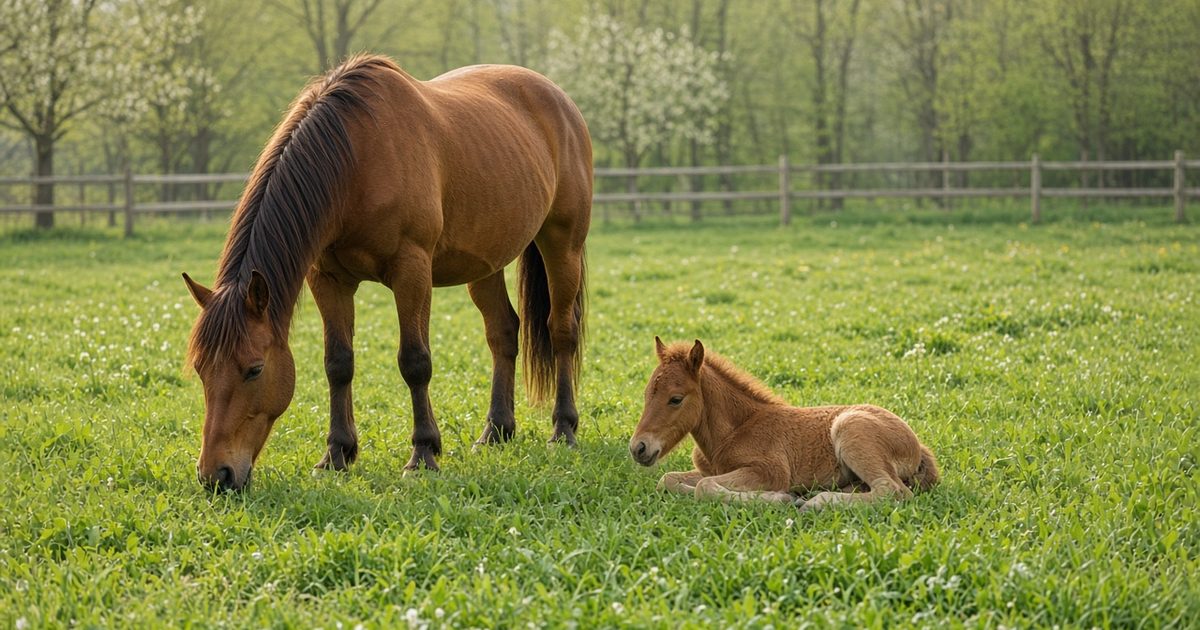
A mare's gestation often averages 338–345 days, with a normal range of 320–380. Learn the timeline, signs of foaling, and use a due-date calculator.
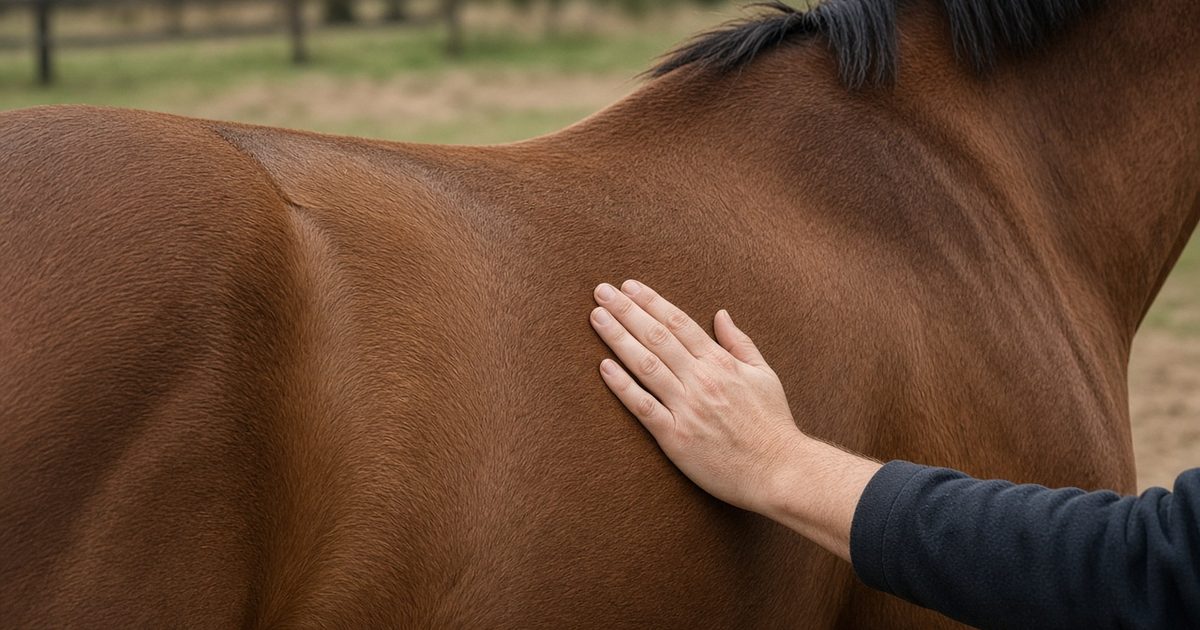
Learn the Henneke 1–9 body condition score, how it differs from a 1–5 scale, and how to use a condition-score calculator with a weight estimate.
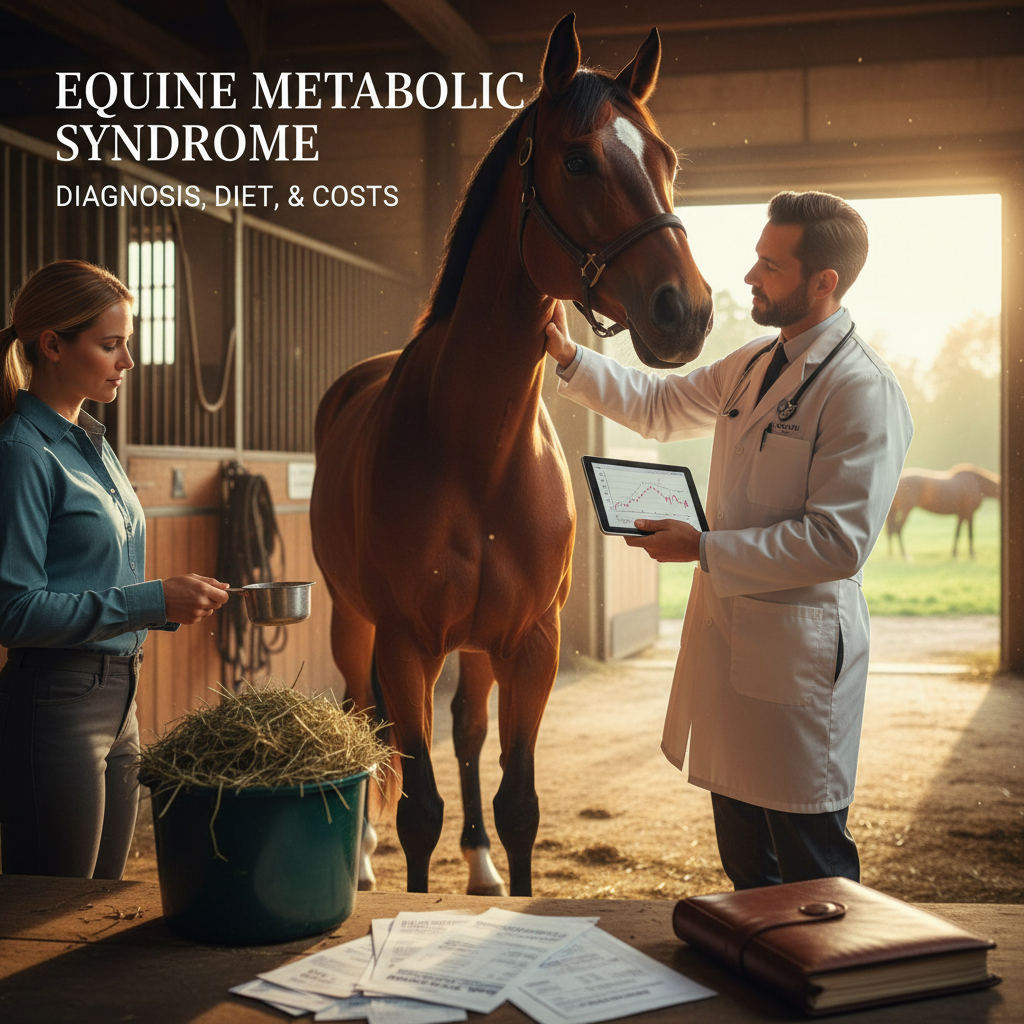
Equine Metabolic Syndrome (EMS) is a major driver of pasture laminitis. Discover diagnostic testing protocols, non-structural carbohydrate dietary limits, exercise guidelines, and realistic management costs.
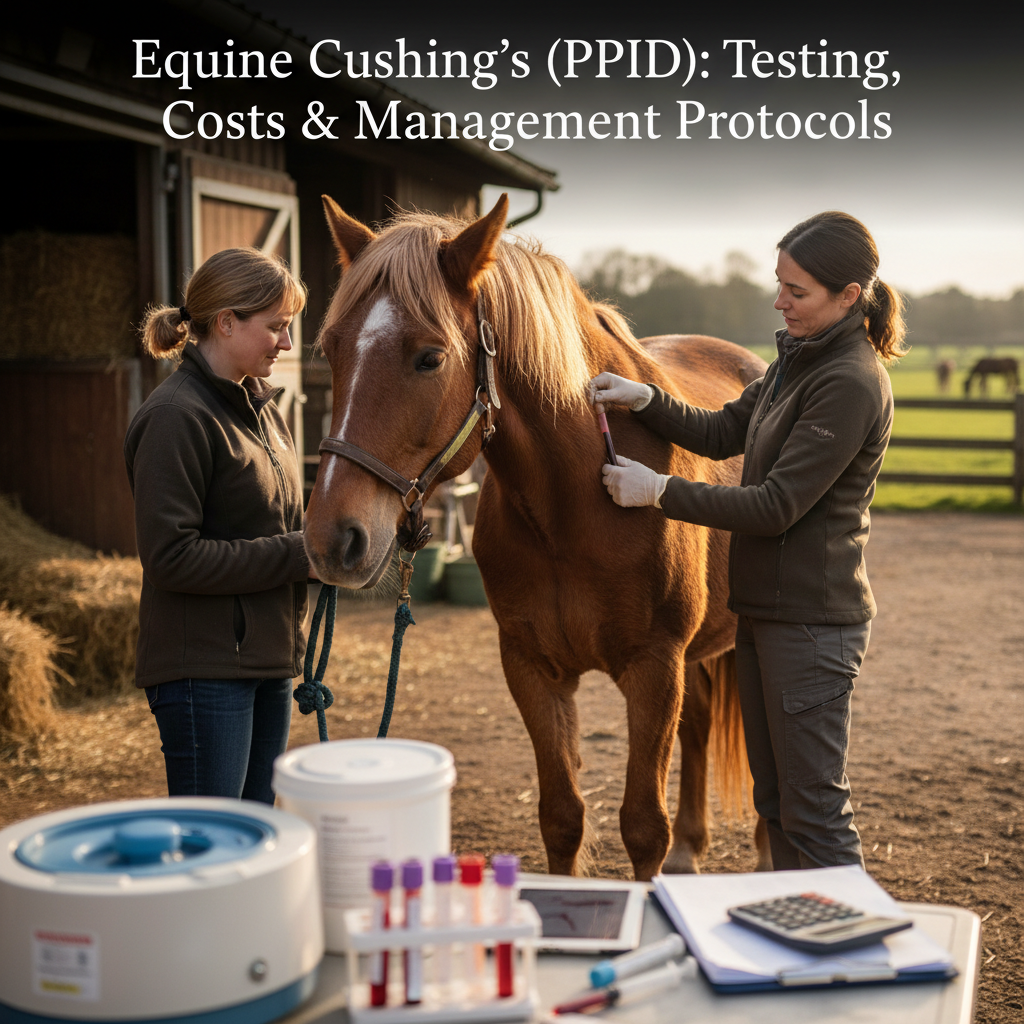
Equine Cushing's Disease (PPID) affects up to 30% of senior horses. Learn current diagnostic protocols, real-world Prascend costs, and targeted feeding strategies.
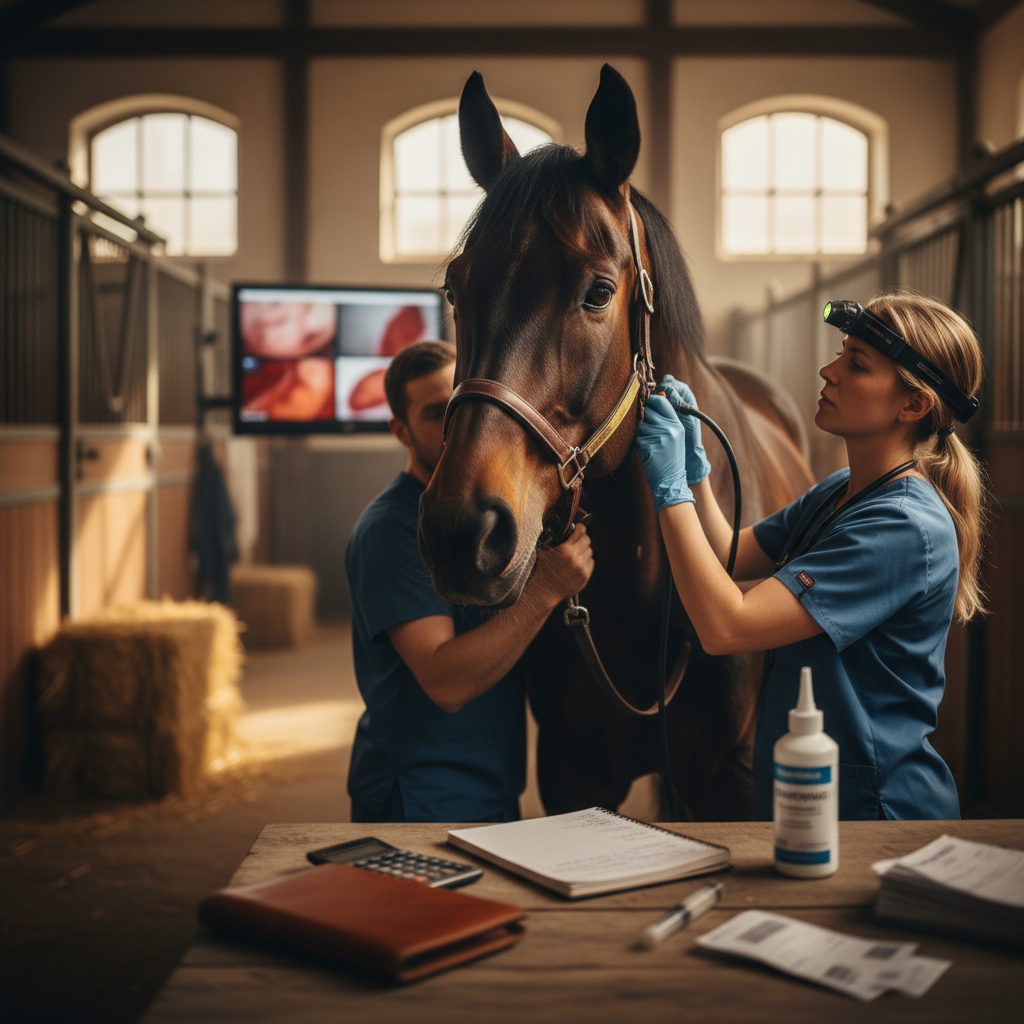
What AAEP says about ulcer risk in racehorses and show horses, plus forage-first prevention. Ask your veterinarian for a written estimate of diagnosis and treatment.
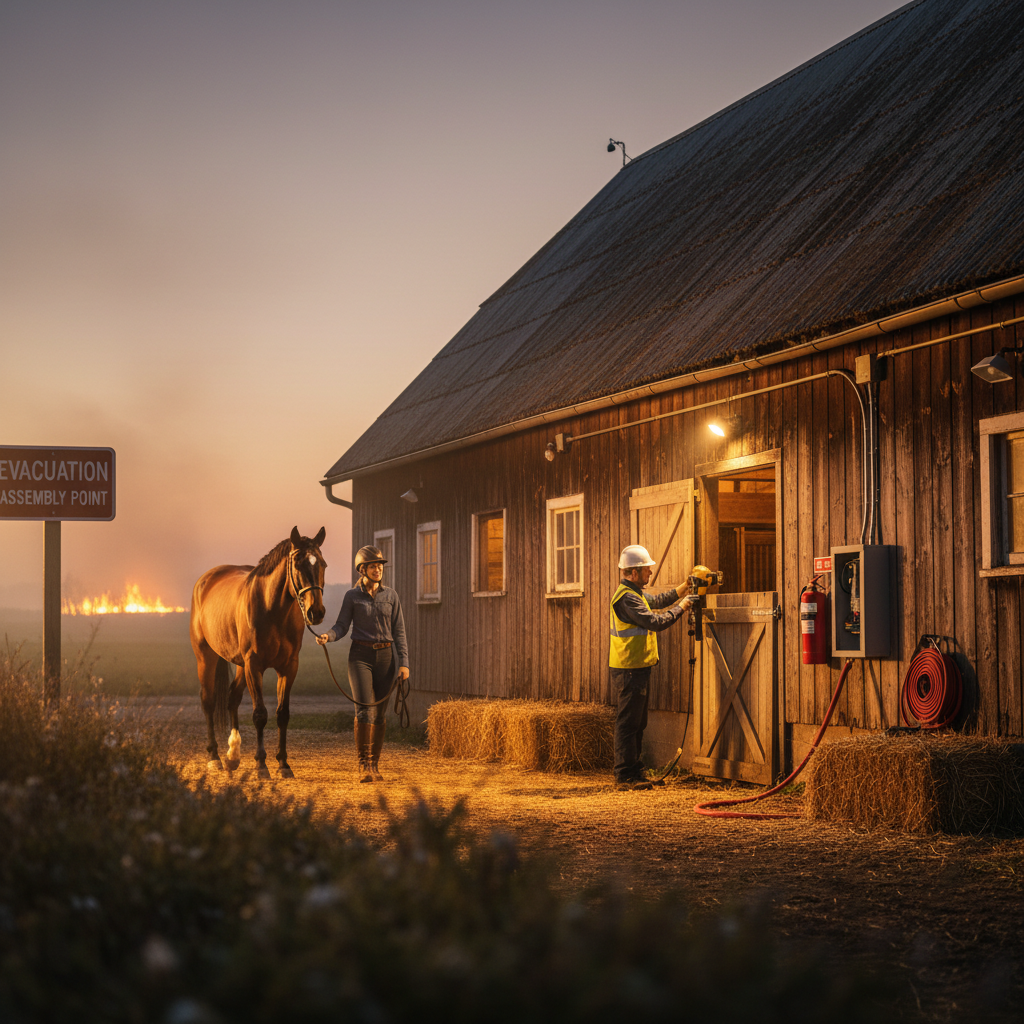
Practical barn-fire prevention using official Alberta sources on electrical work, feed storage, and evacuation planning.
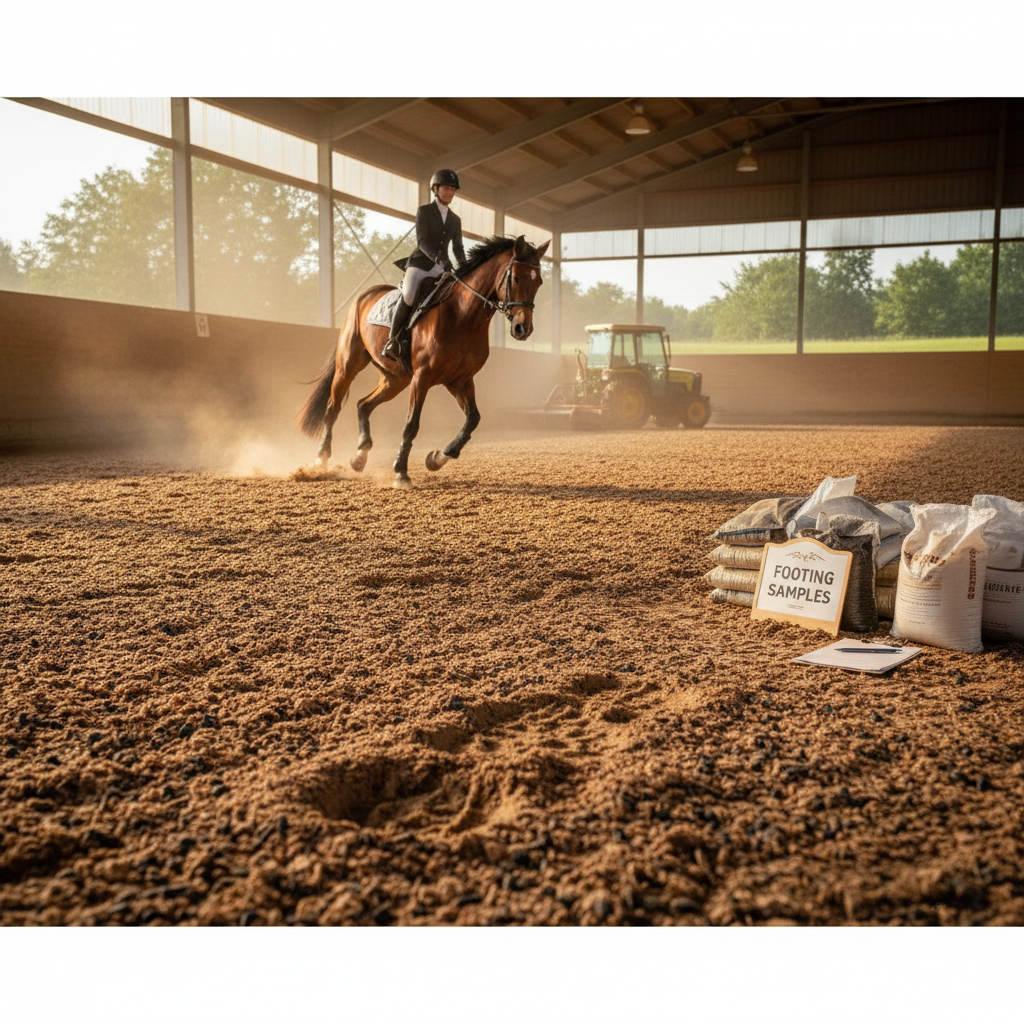
Selecting the right arena footing requires balancing mechanical grip, base compaction, and dust control to protect horse soundness. Learn engineering specs, daily maintenance protocols, and real-world refurbishment costs.
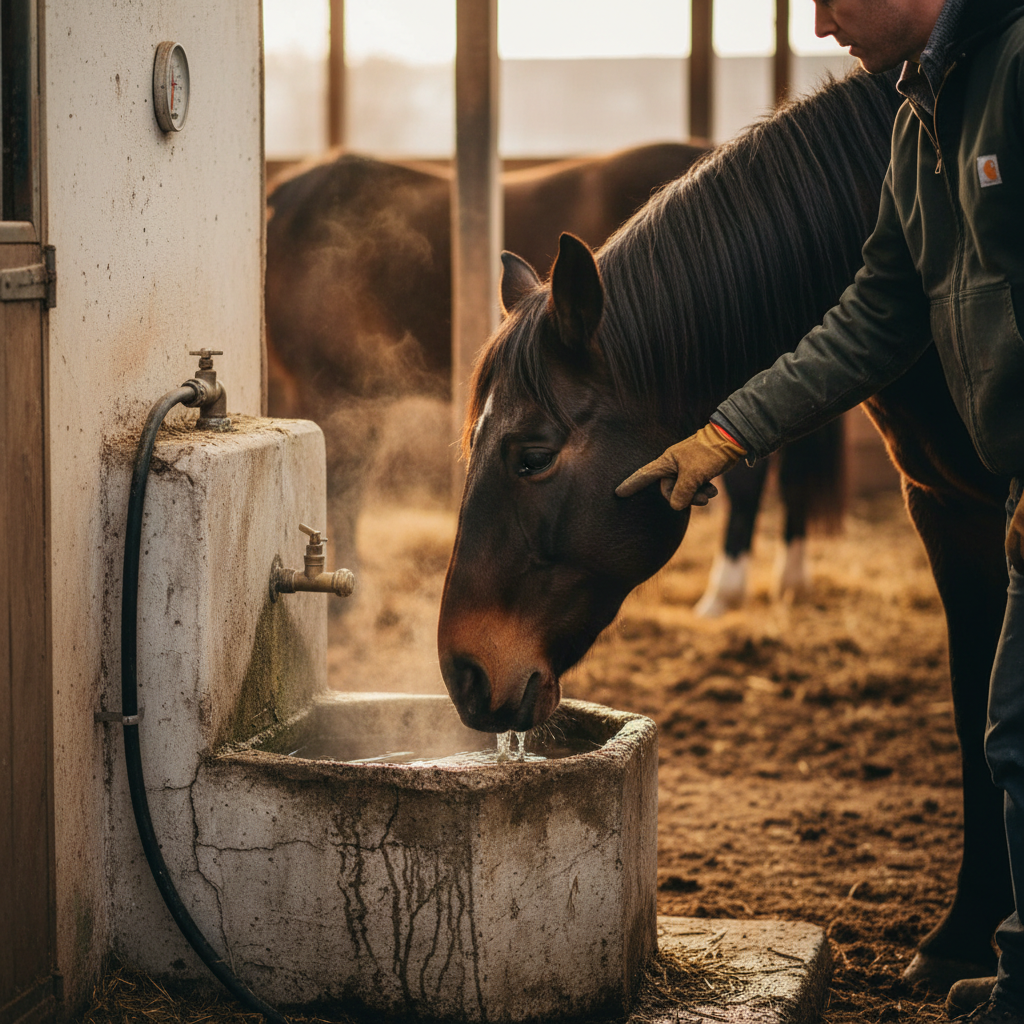
Choose and winterize automatic waterers with official intake figures, Alberta grounding advice, and a link to the winter water-and-feed article.
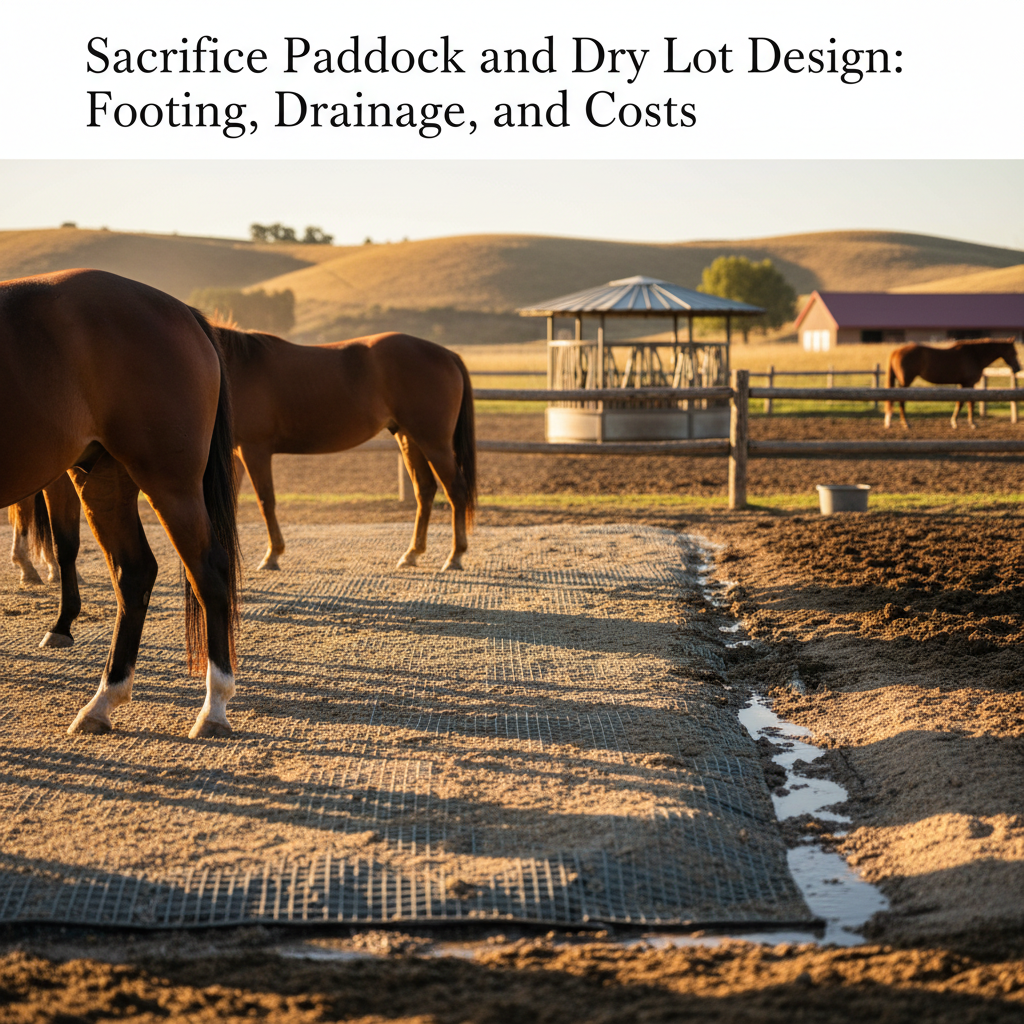
Size and drain a sacrifice paddock with official manure and area figures from Alberta and University of Minnesota Extension.
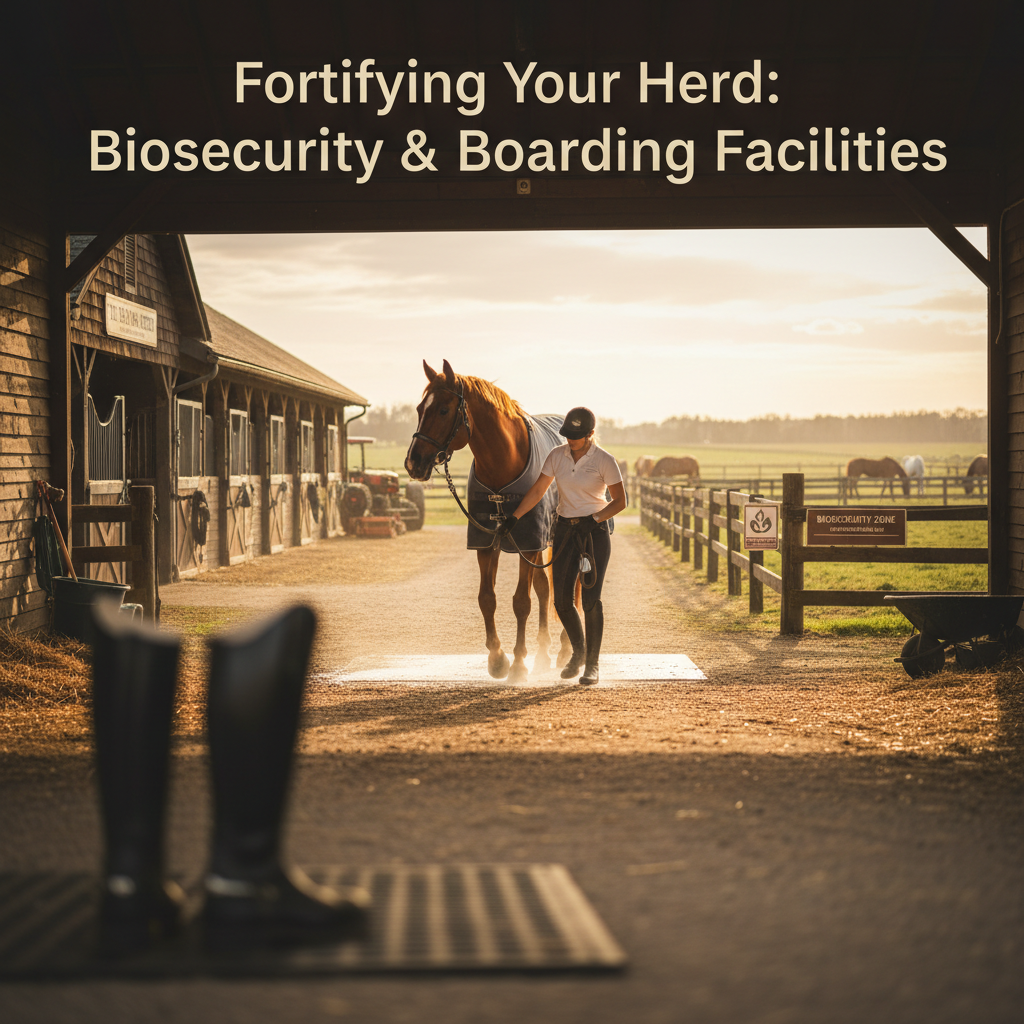
A practical biosecurity checklist for boarding barns and horse owners, covering isolation, traffic, pest control, and a written protocol.
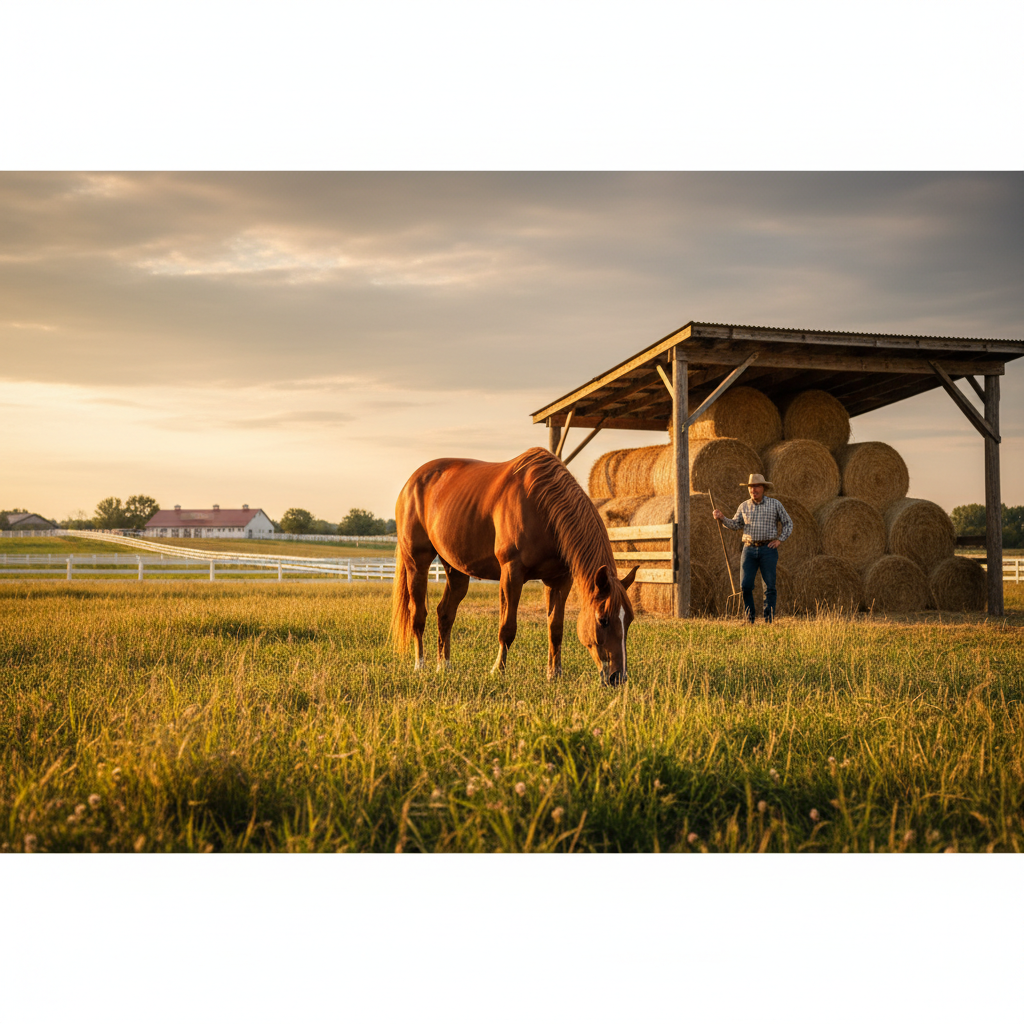
Forage-first feeding with official intake rules, Alberta hay prices, and free feed and hay-bale calculators.
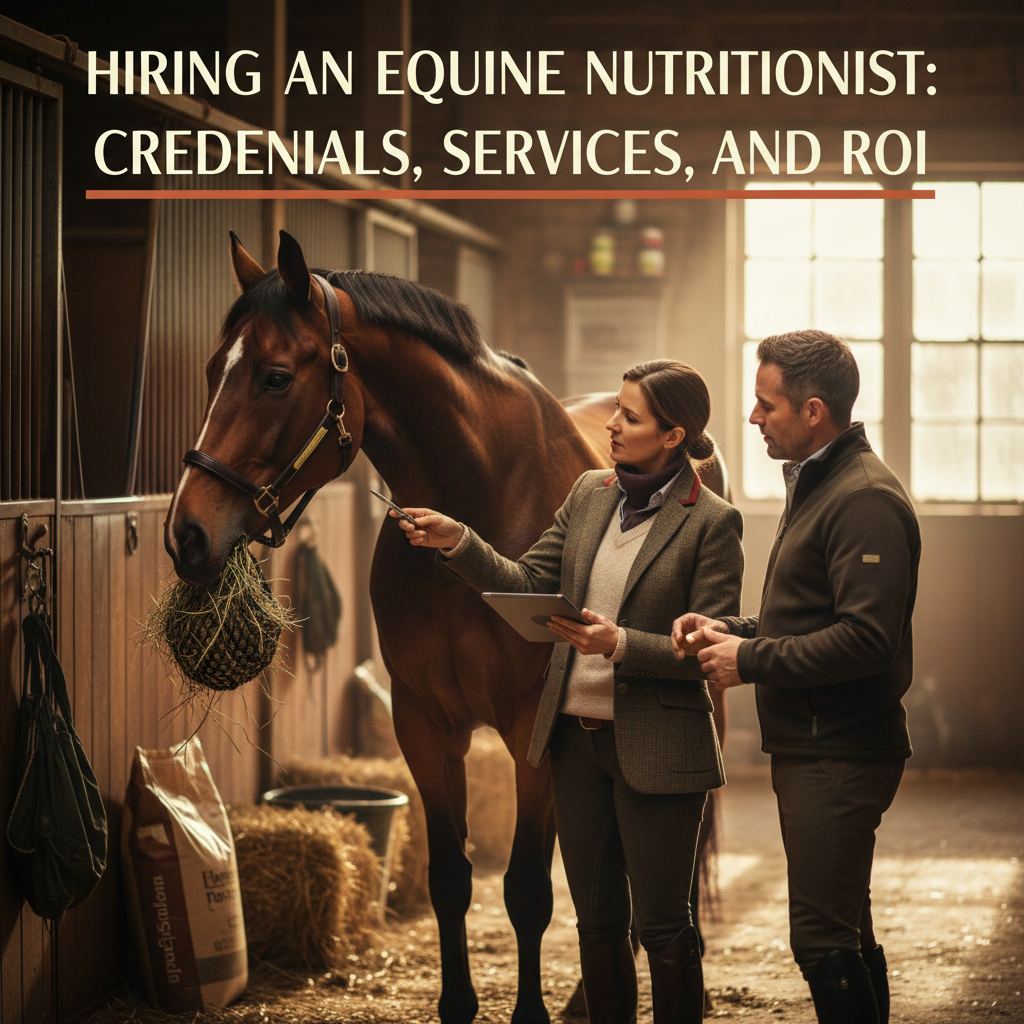
How to vet an equine nutritionist in Canada. Ask for credentials and a written fee list.
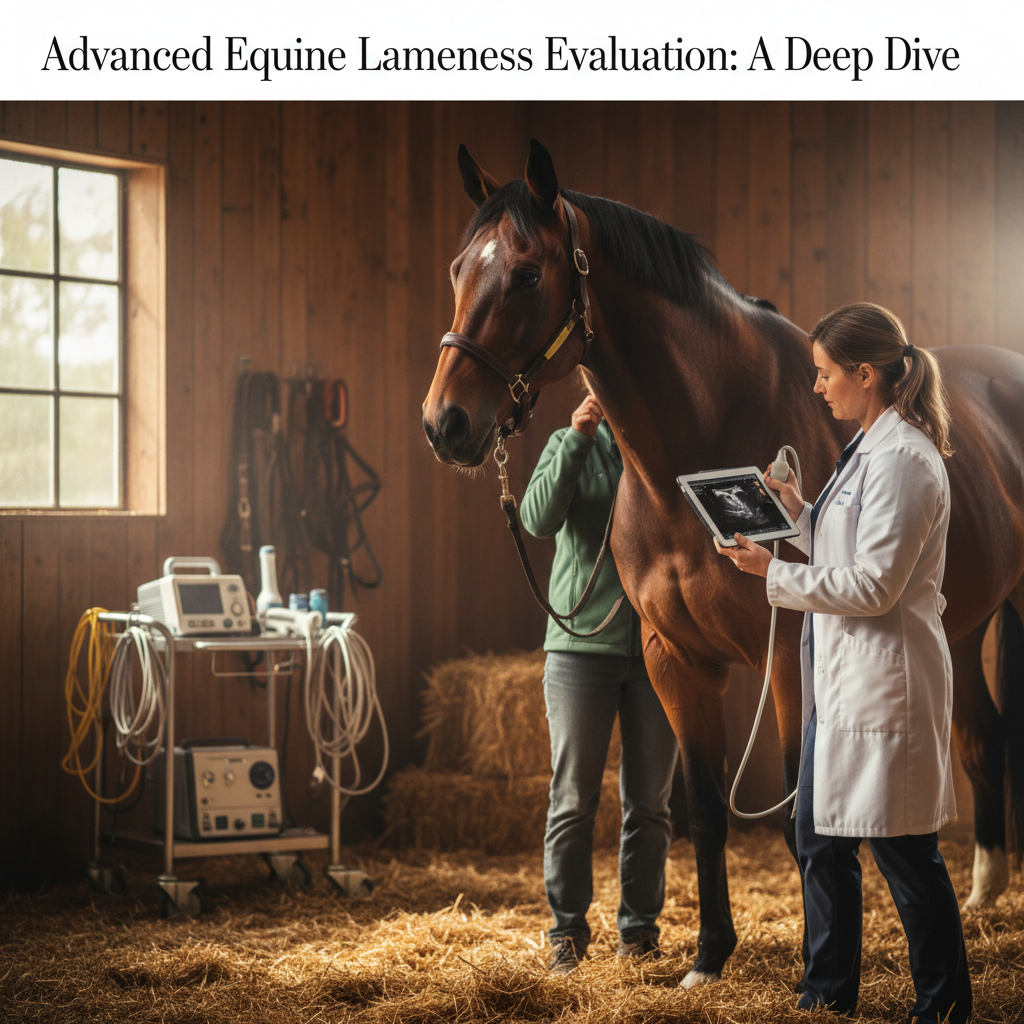
Beyond the routine check, understanding nuanced equine lameness requires a comprehensive approach. Discover advanced diagnostics and management strategies for your horse.
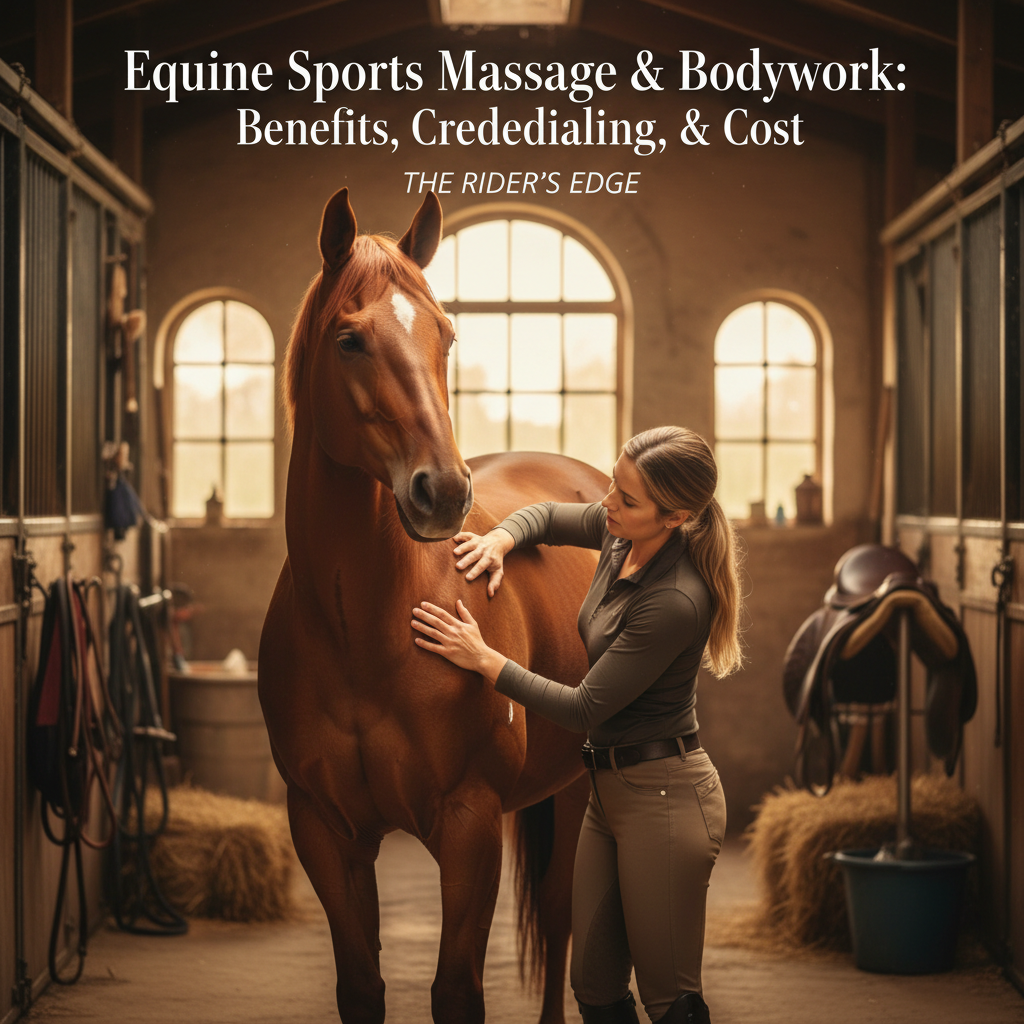
Considering equine sports massage or bodywork for your horse? Understand the tangible benefits, essential credentialing for practitioners, and realistic cost expectations to make informed decisions.
Equine insurance in Canada, with official 2022 Equestrian Canada figures, 2026 AEF membership coverage, and a checklist of policy types. Not a quote.
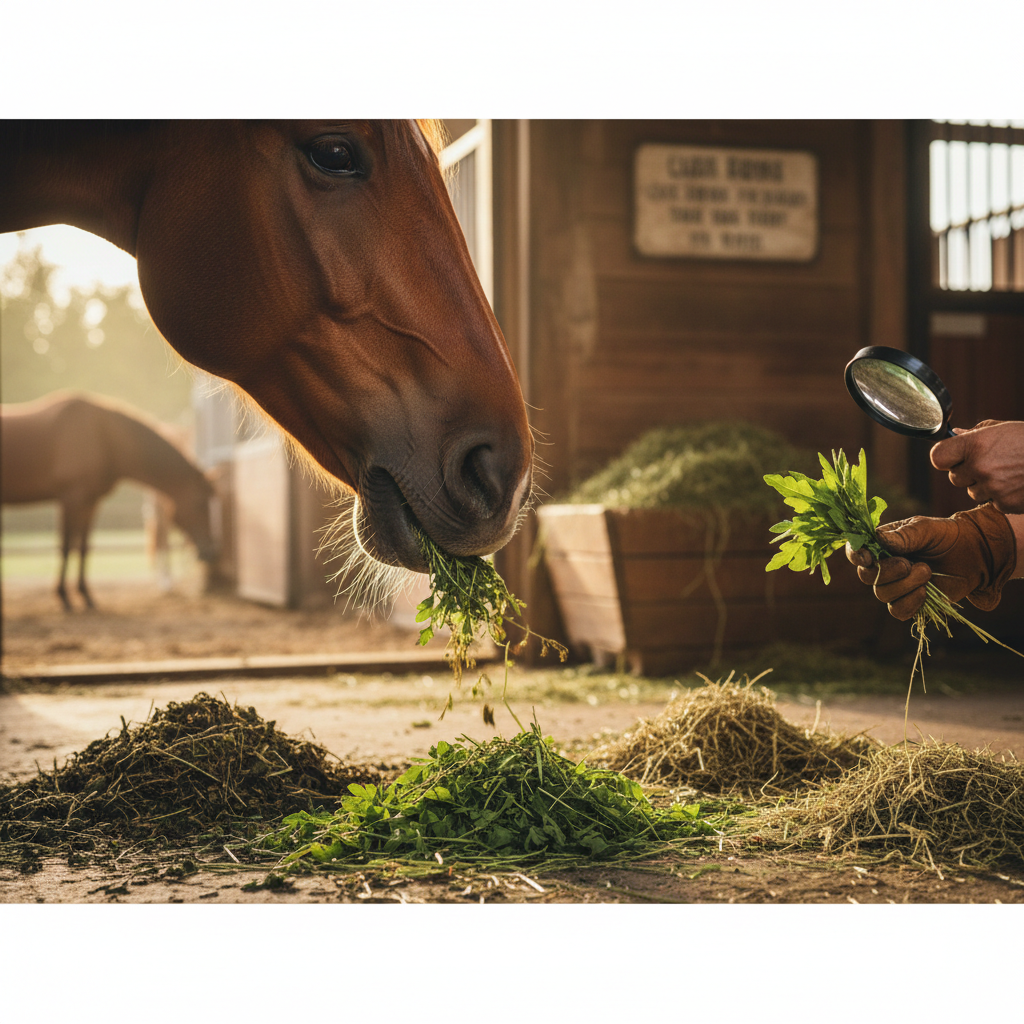
Unlock the secrets to superior equine nutrition by understanding how to accurately evaluate forage quality, from lush pastures to every hay bale. Your horse's health depends on it.
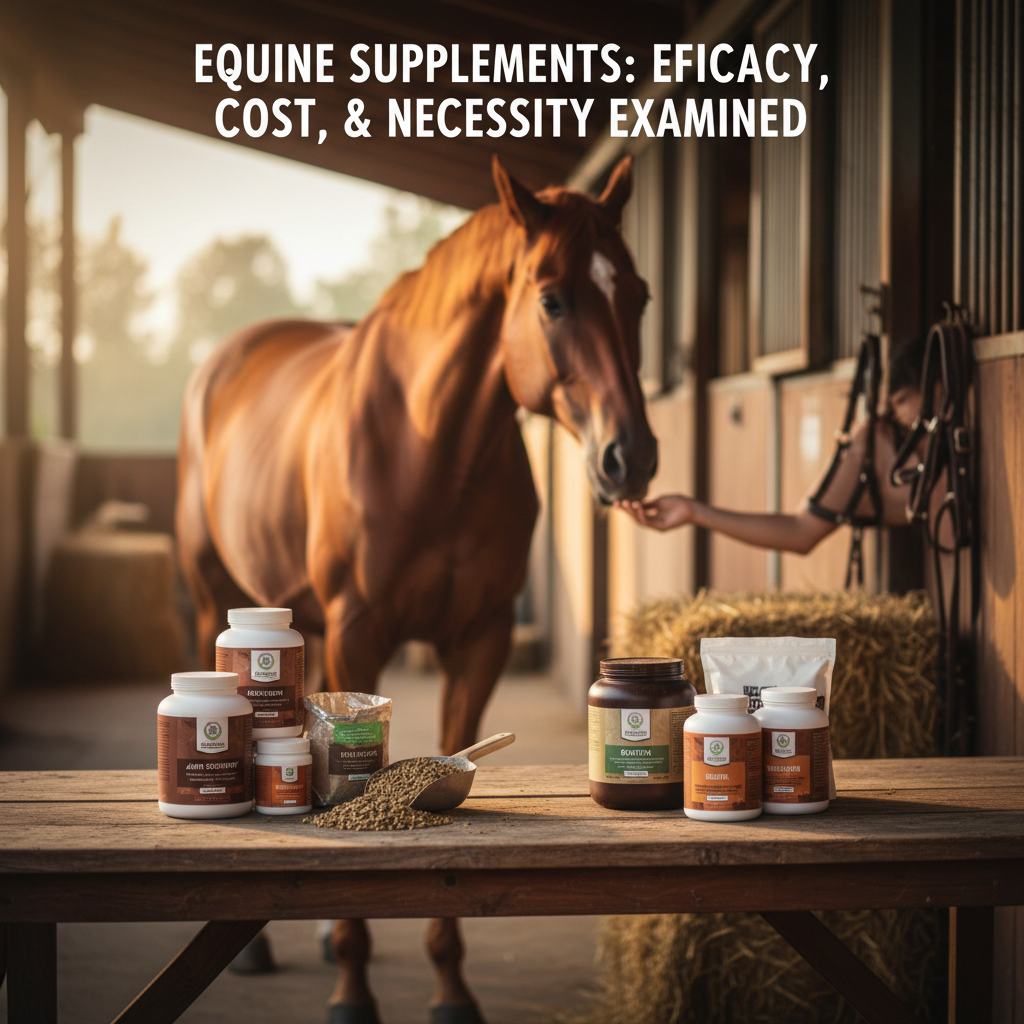
A forage-first way to judge horse supplements, using official Canadian keep-cost context, a simple evaluation checklist, and a free feed calculator.
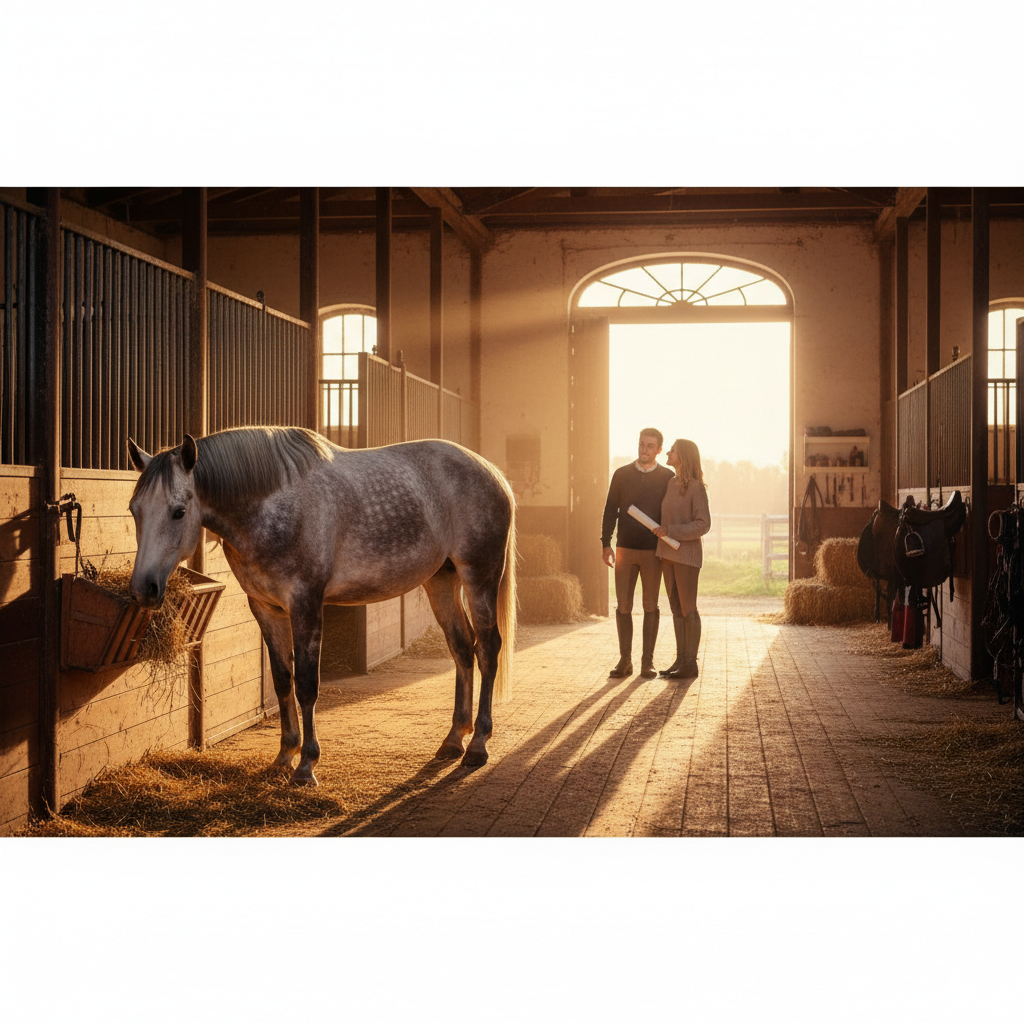
A barn-and-pasture checklist for buying horse property, using official Canadian boarding and acreage figures.
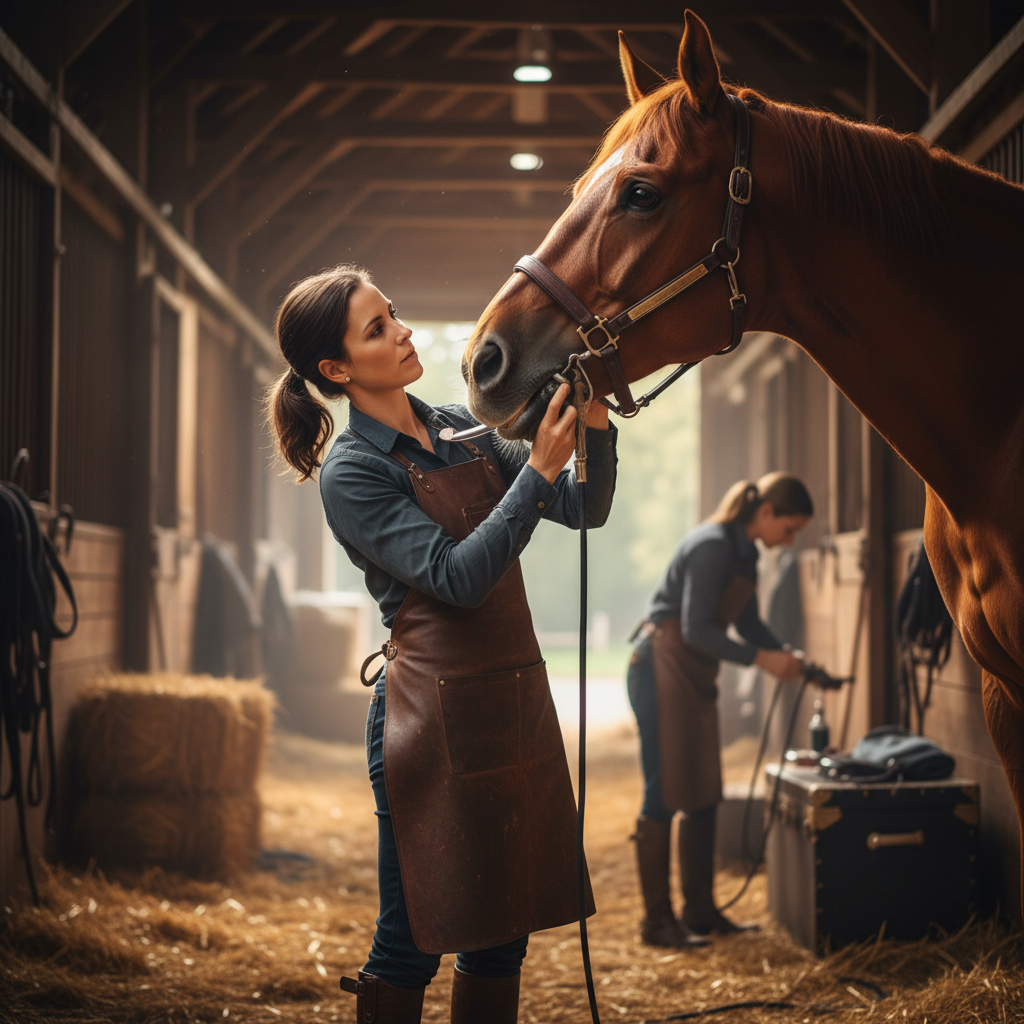
Choosing the right equine dental professional is critical for your horse's health. Discover what truly sets apart exceptional practitioners from a basic "float" service, ensuring optimal oral care.
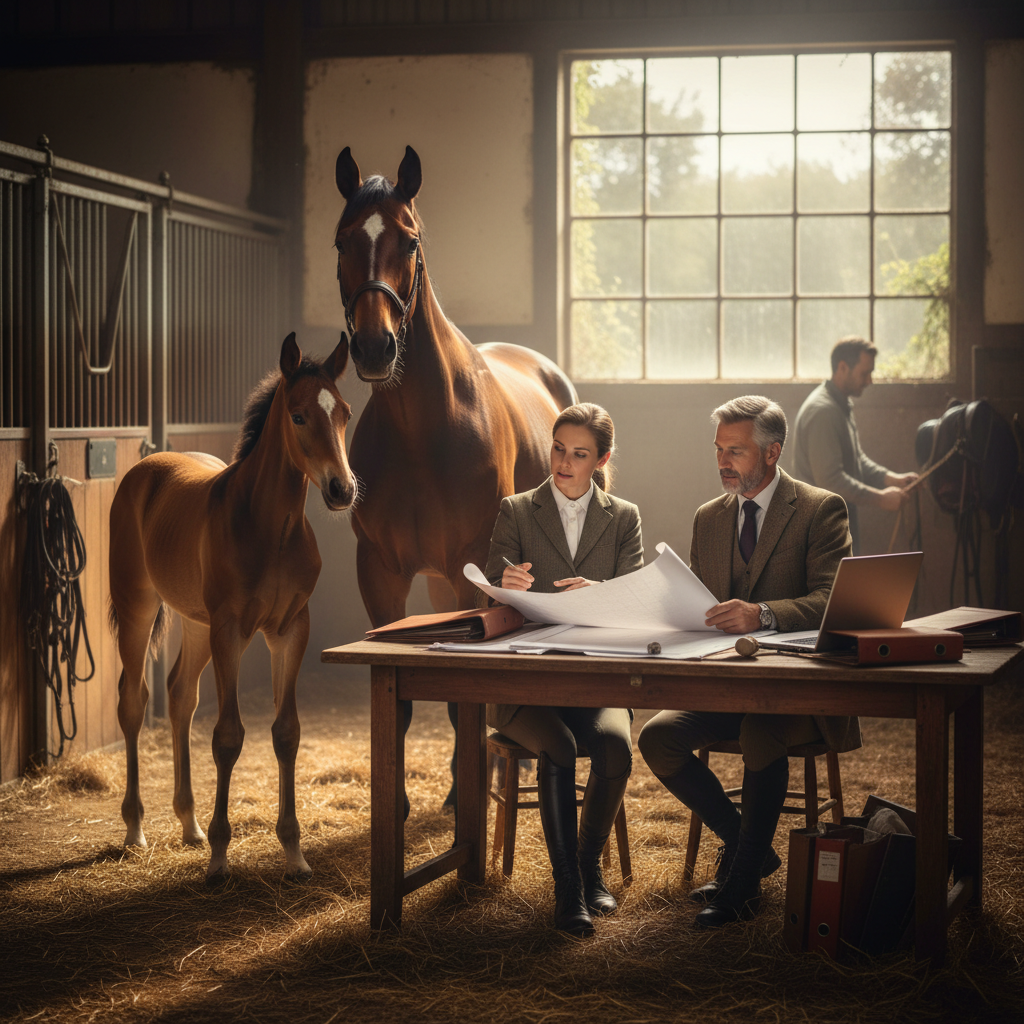
A checklist for breeding contracts, official 2022 Alberta breeding keep-costs, and a link to Equine Legal Docs. Not legal advice.
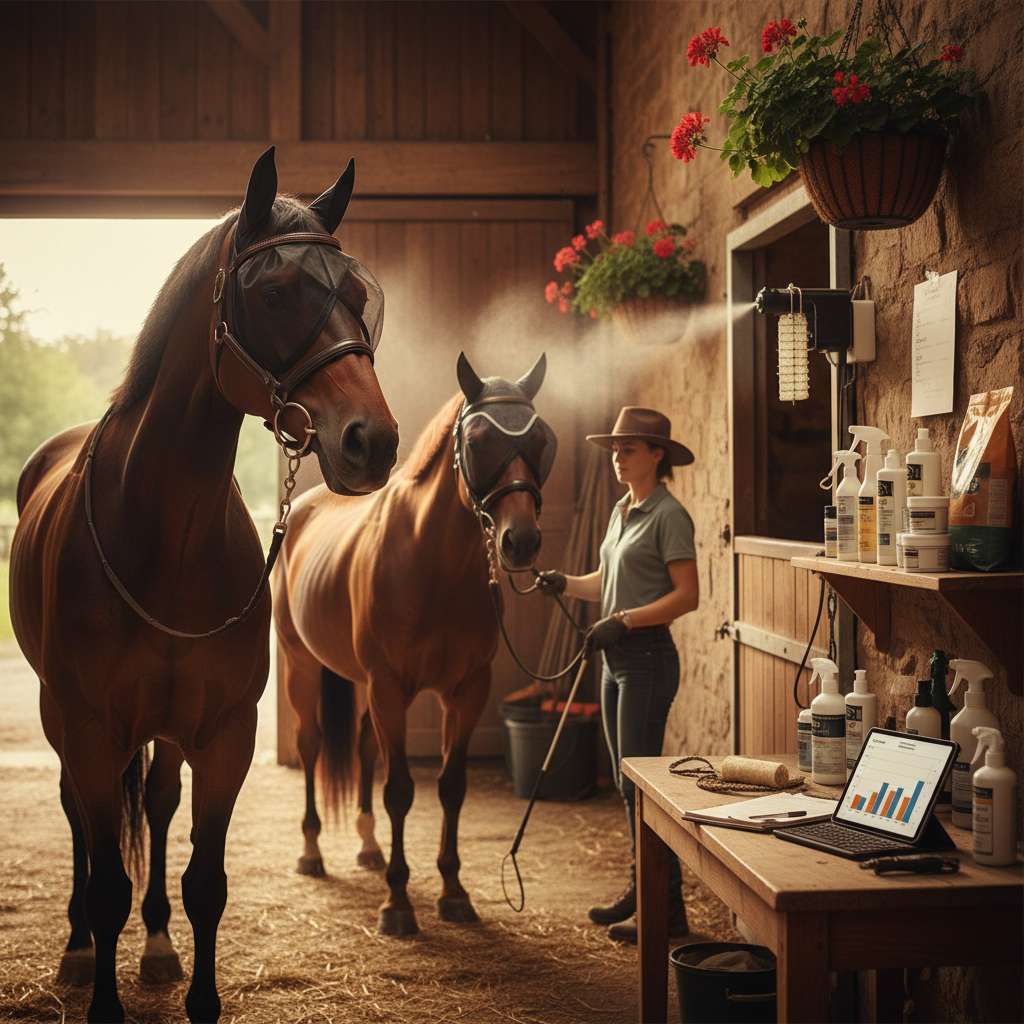
Navigate the complexities of equine fly control with this in-depth guide, covering everything from effective strategies and product costs to application techniques, ensuring your horse
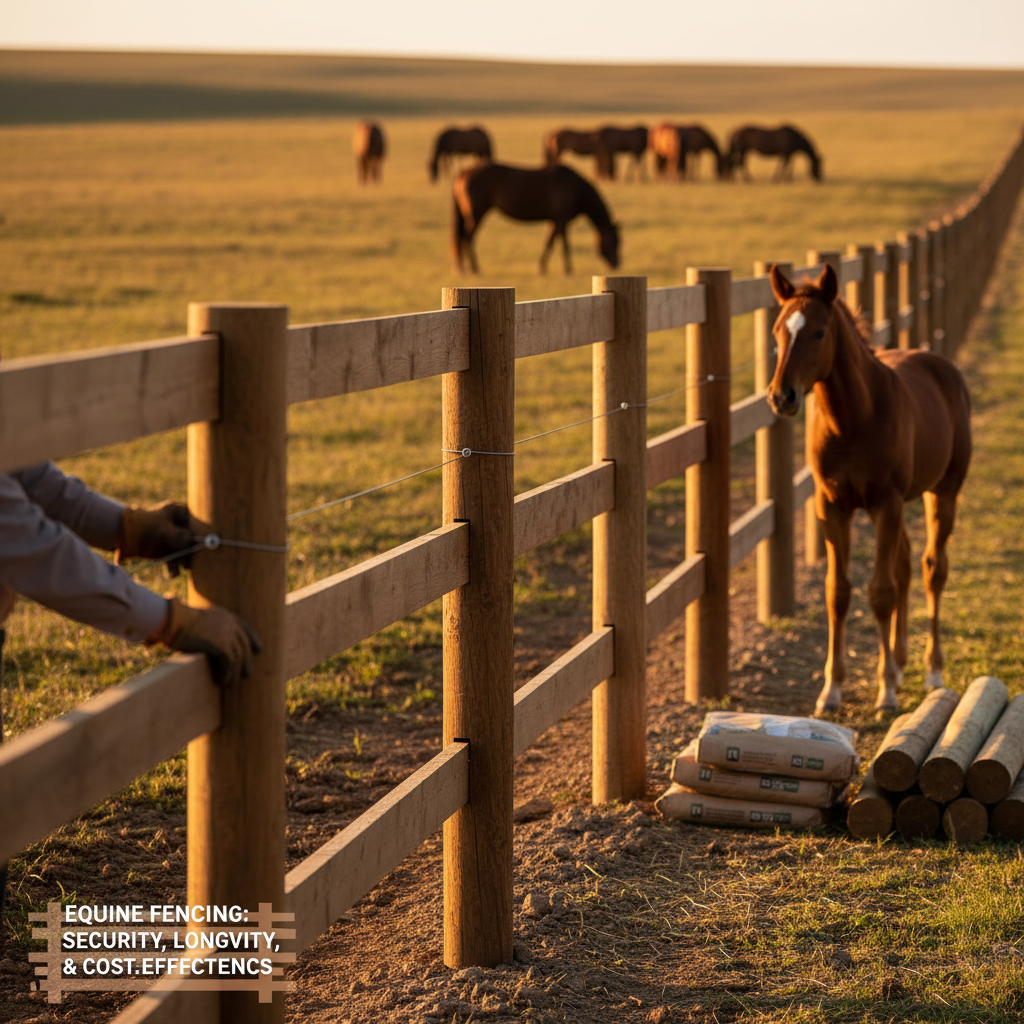
How to choose horse fencing in Alberta using official farm-input material lines, a 1985 Agdex fencing chapter, and a free stocking calculator.
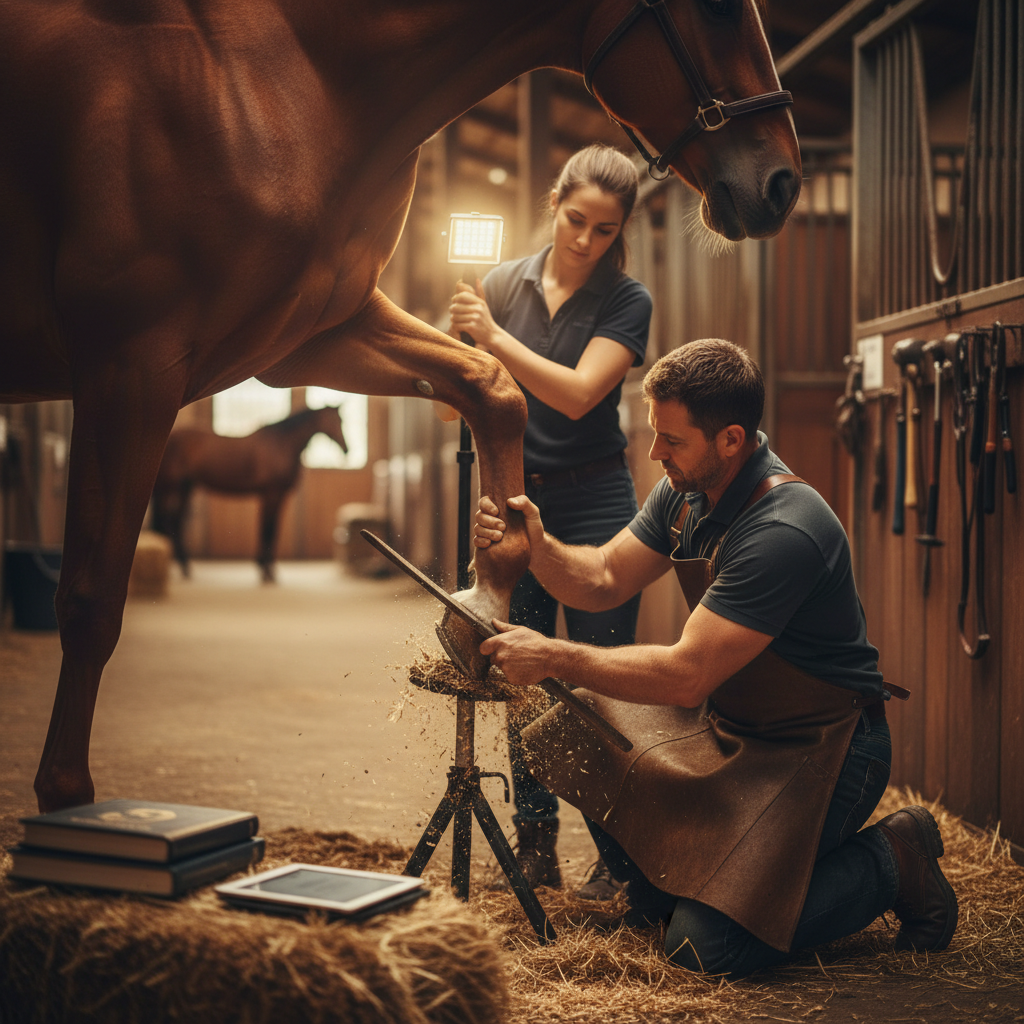
Choosing the right equine hoof care professional is paramount for your horse's health. Learn to evaluate farriers and trimmers beyond just the price tag.
A checklist of boarding extras, official 2022 Alberta board averages, and current barn examples.
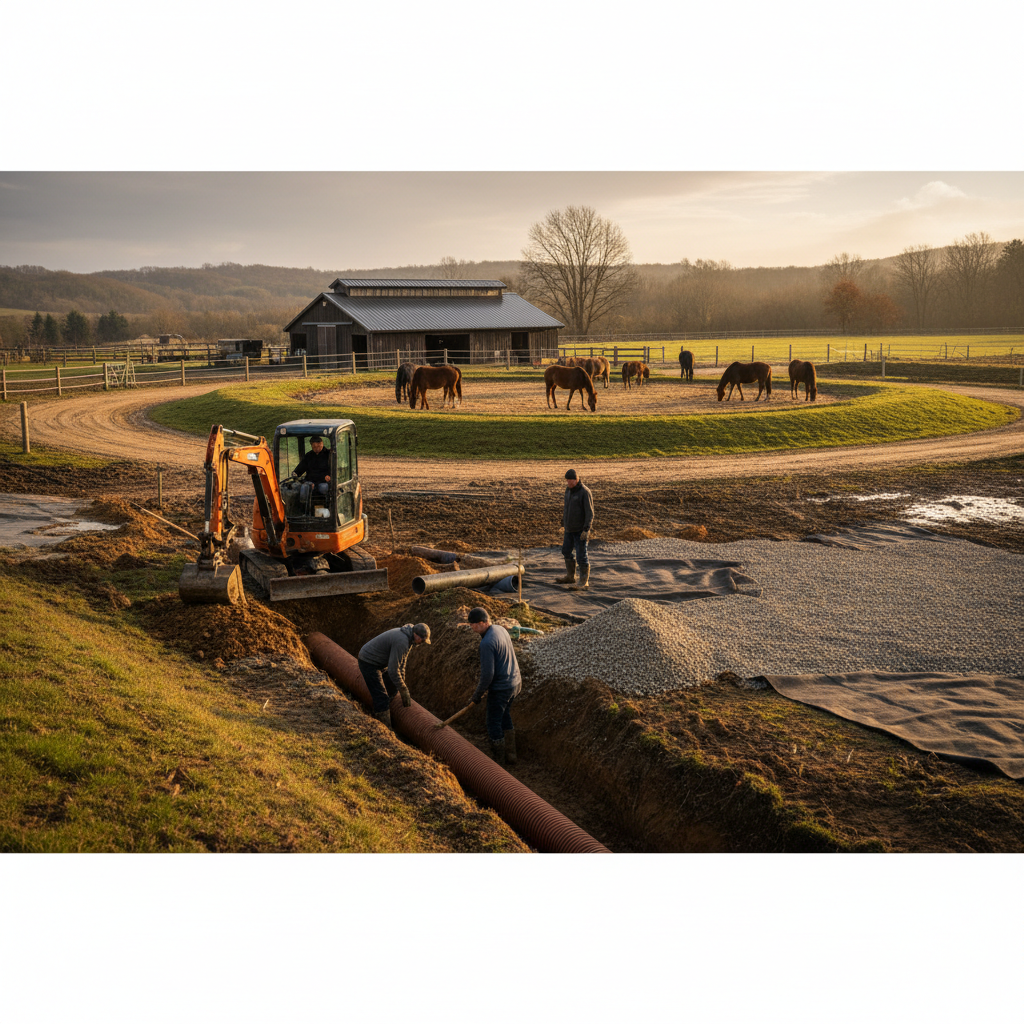
Poor drainage on equine properties leads to persistent mud, increased health risks, and costly erosion. Learn how to assess, prevent, and mitigate these issues with effective drainage strategies.
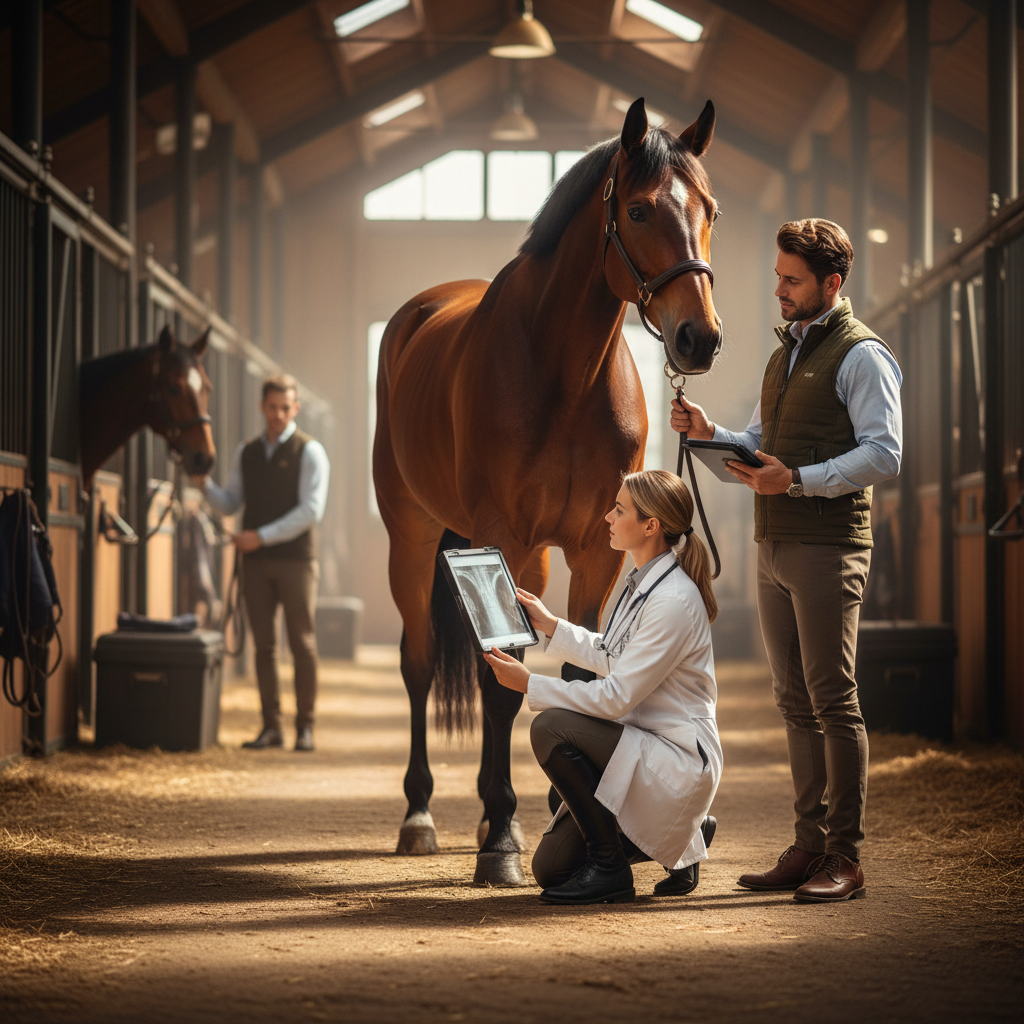
A pre-purchase exam is more than a soundness check. Discover essential evaluations to protect your equine investment and ensure a suitable horse for your needs.
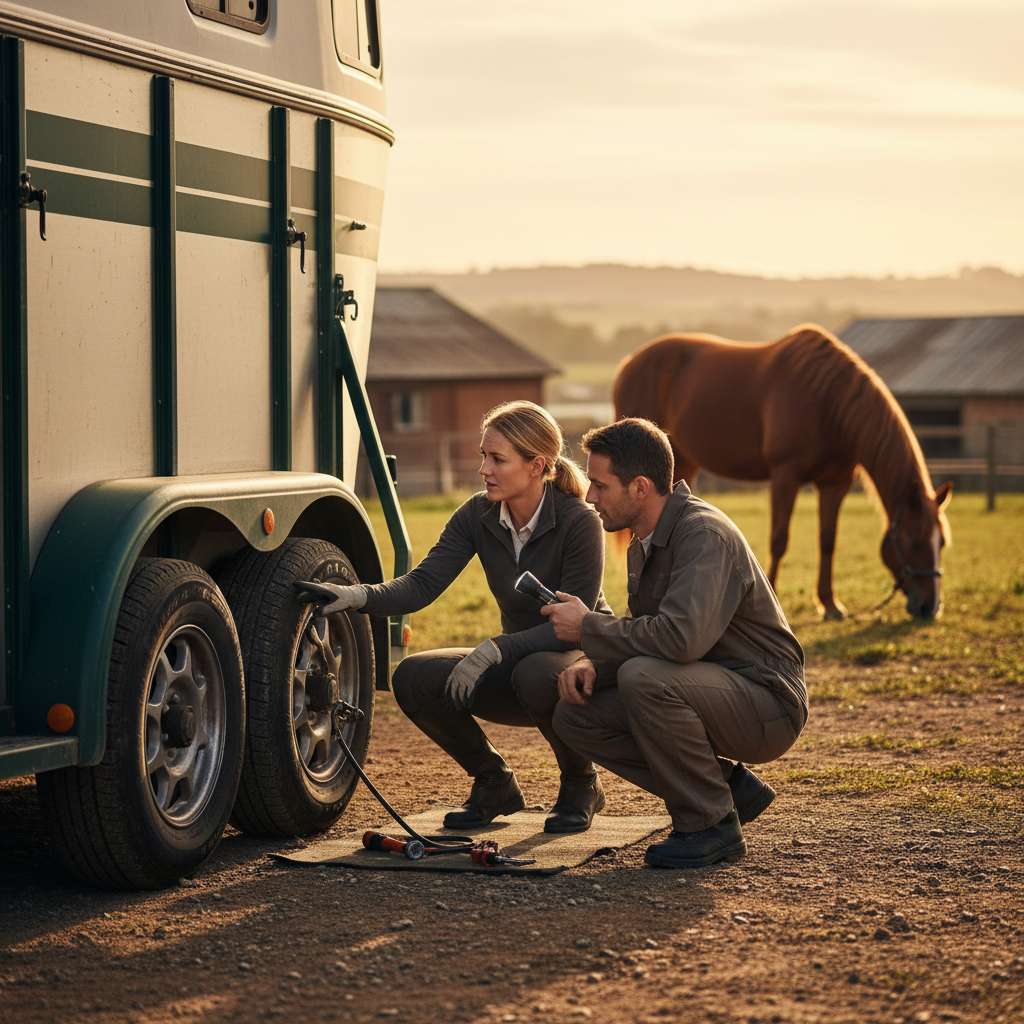
Transporting horses safely demands a thorough understanding of trailer integrity. Learn critical pre-purchase and ongoing maintenance checks to protect your equine investment.
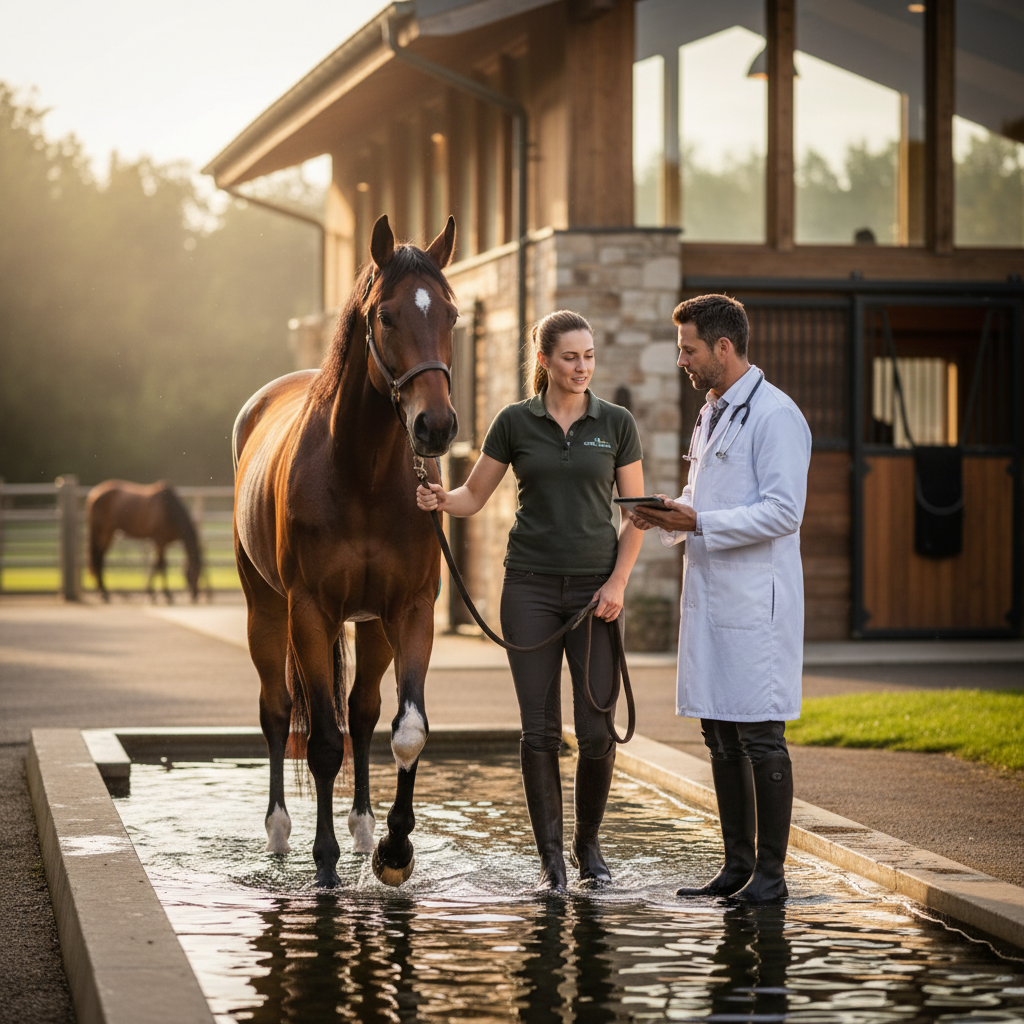
Choosing an equine rehabilitation center for your horse demands rigorous evaluation far beyond glossy marketing materials. Learn what critical factors, from veterinarian oversight to facility protocols, truly matter for successful equine rehabilitation.
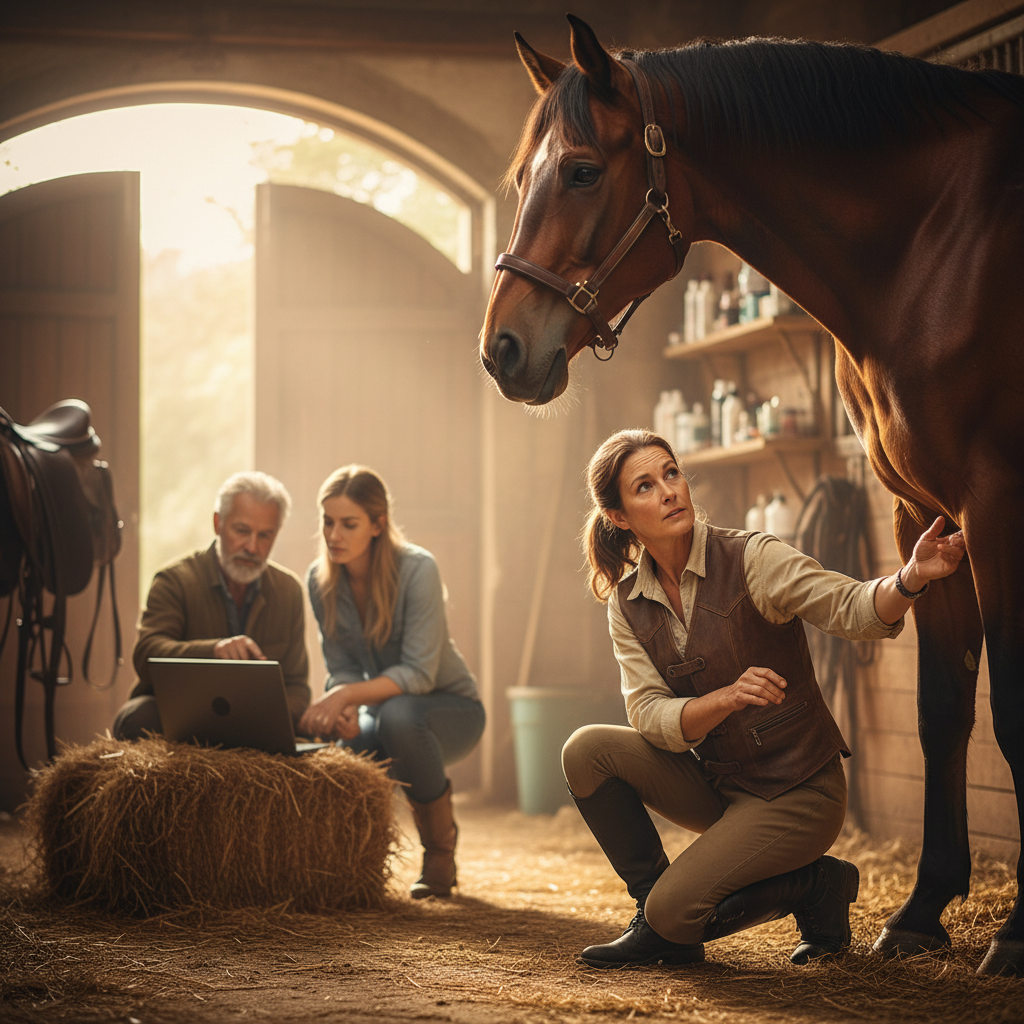
Don't just skim trainer bios. Learn how to meticulously evaluate equine trainer credentials to ensure your horse receives expert guidance.
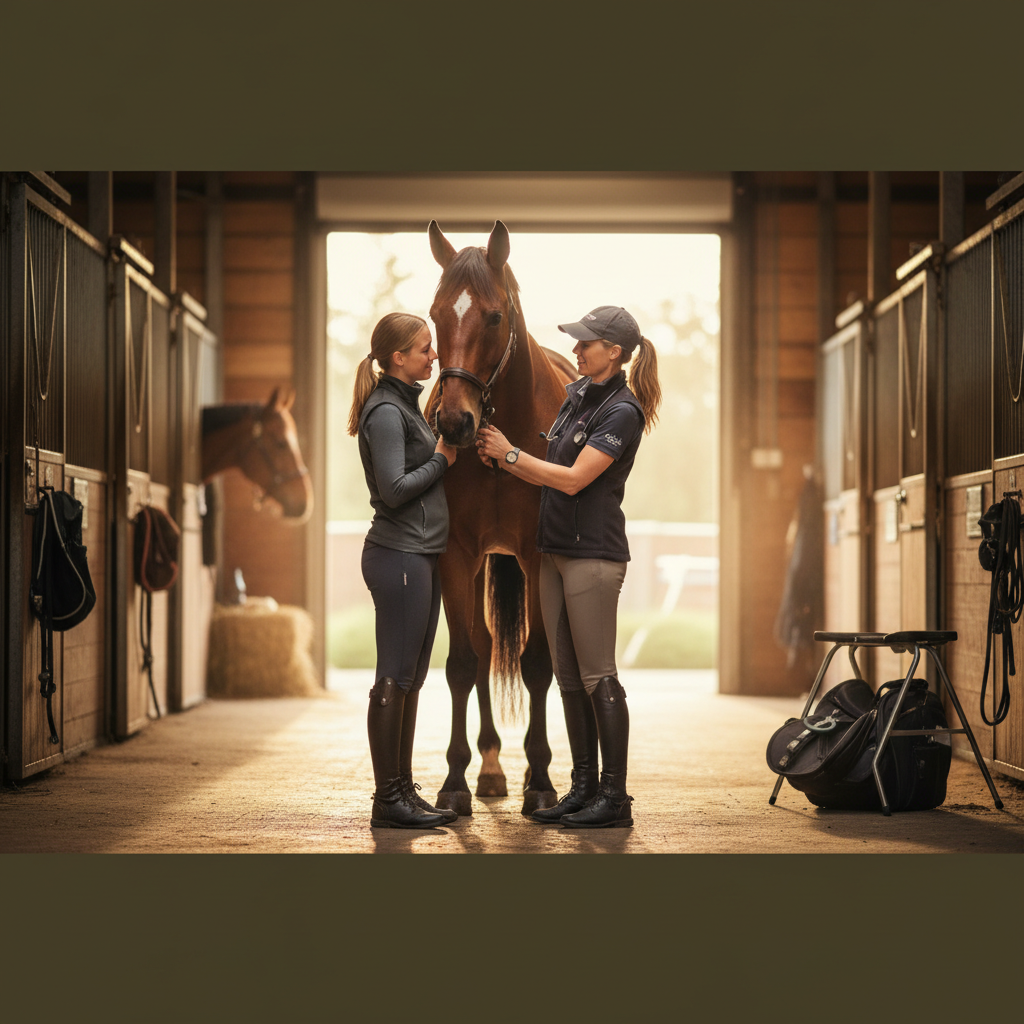
Selecting the right equine veterinarian is a critical decision for every horse owner. Learn key criteria, what to expect from a good practice, and how to build a lasting professional relationship.
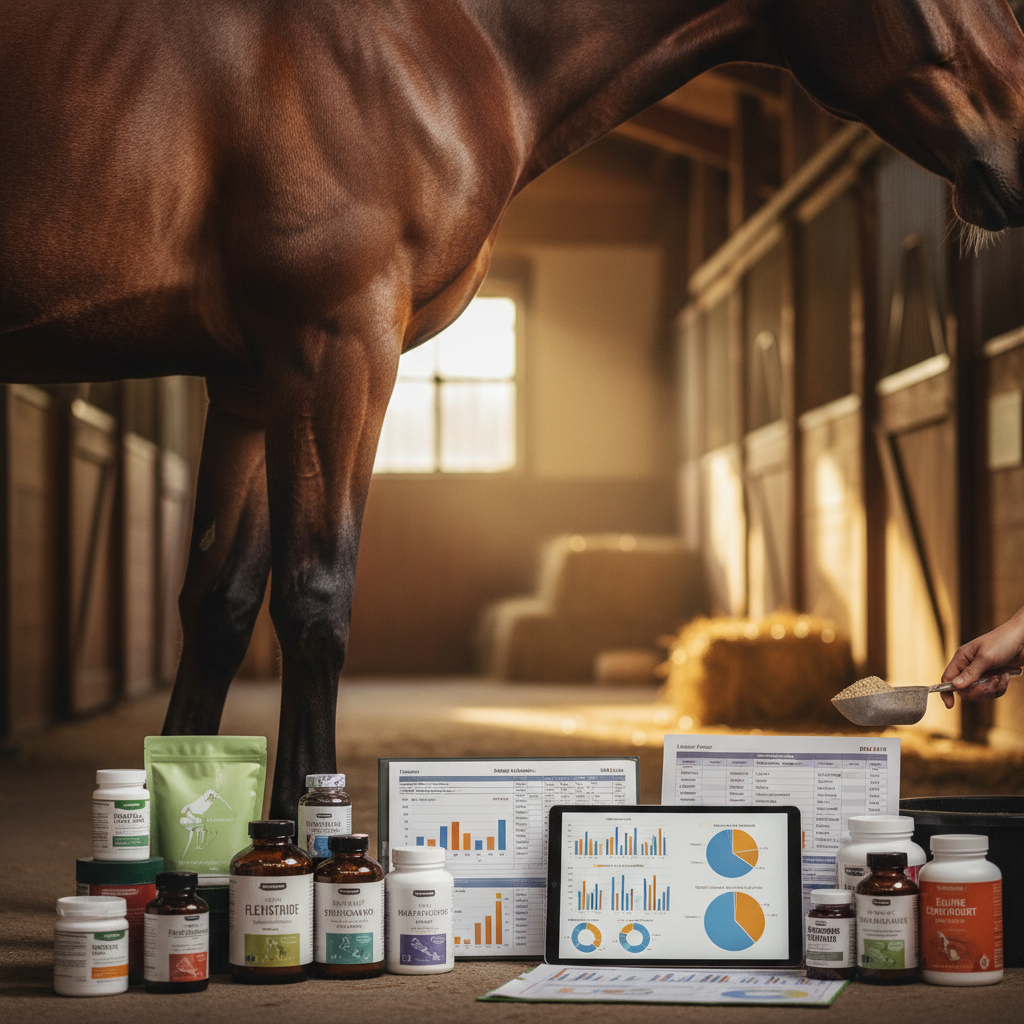
Navigate the complex world of equine joint supplements with data-driven insights. Discover key ingredients, evaluate efficacy, and make informed choices for your horse's mobility.
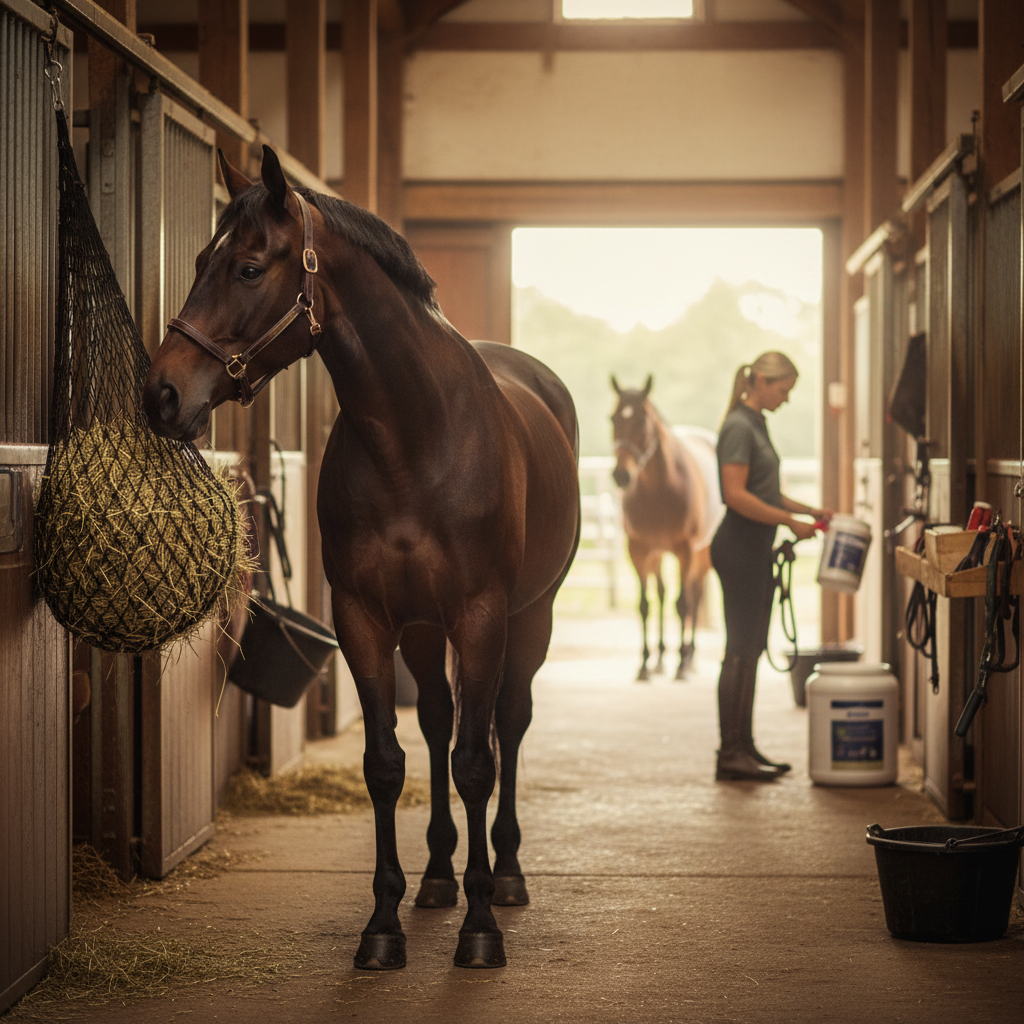
Colic is a leading health concern for horse owners. Learn proactive strategies, from diet to environment, to significantly reduce your horse's colic risk and enhance digestive health.
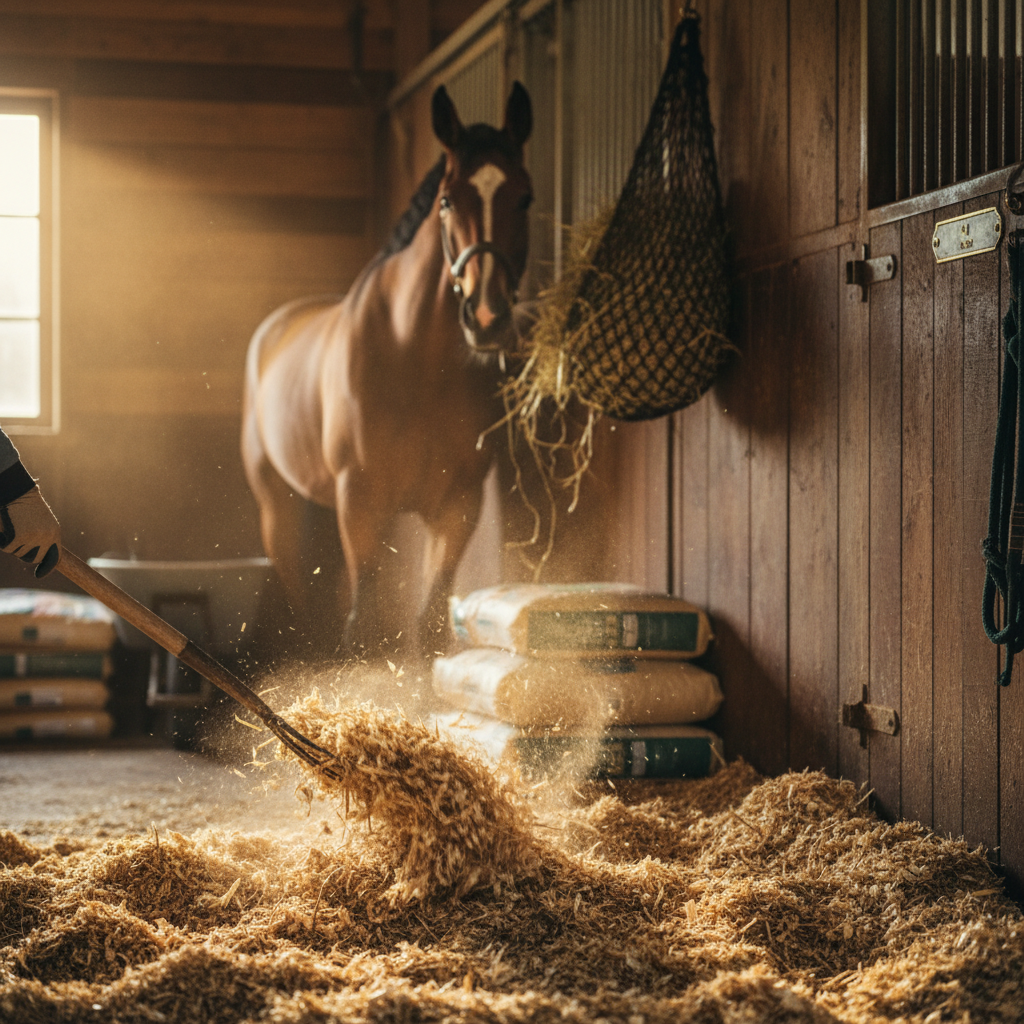
Compare stall bedding on absorbency, dust, labour, and disposal, using Equestrian Canada's 2022 Alberta bedding average.
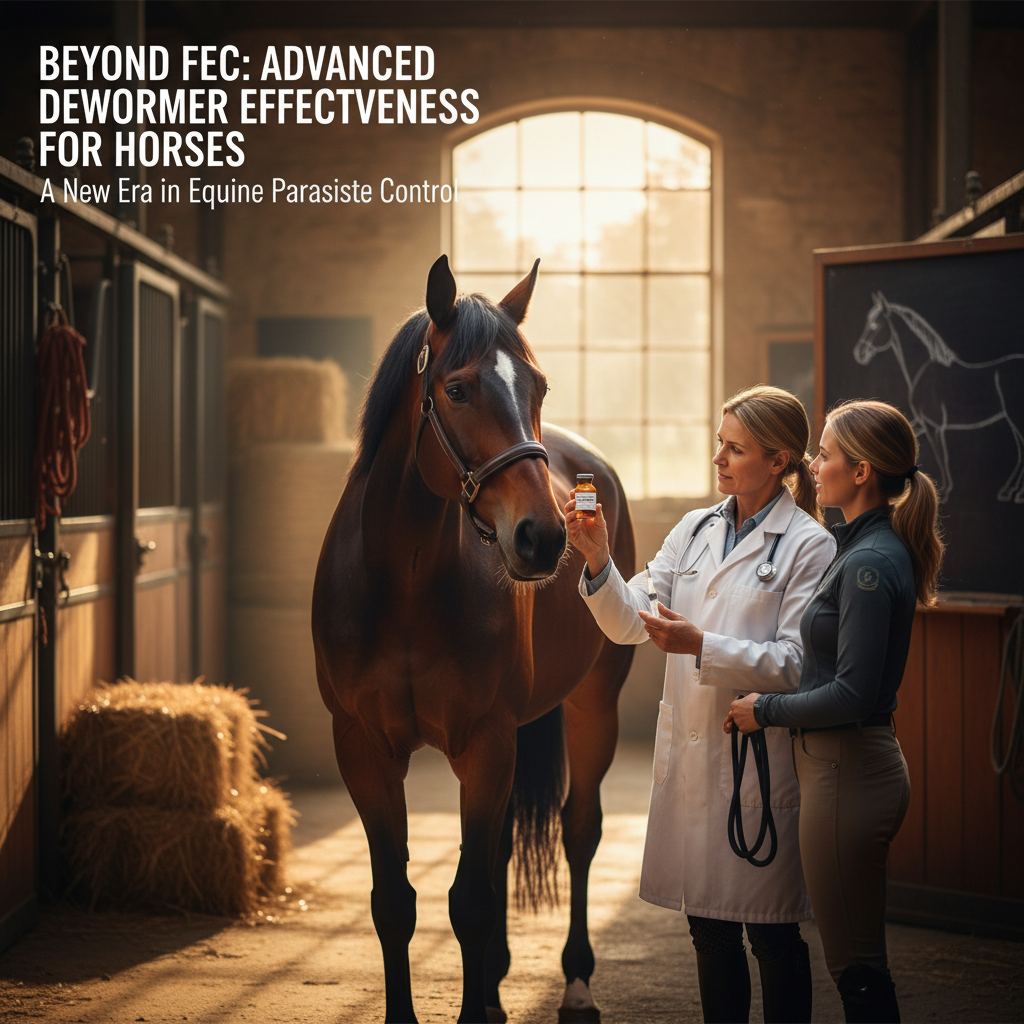
Fecal Egg Counts (FECs) are a cornerstone of equine parasite control, but they don't tell the whole story. Discover advanced methods for evaluating dewormer effectiveness and safeguarding your horse's health.
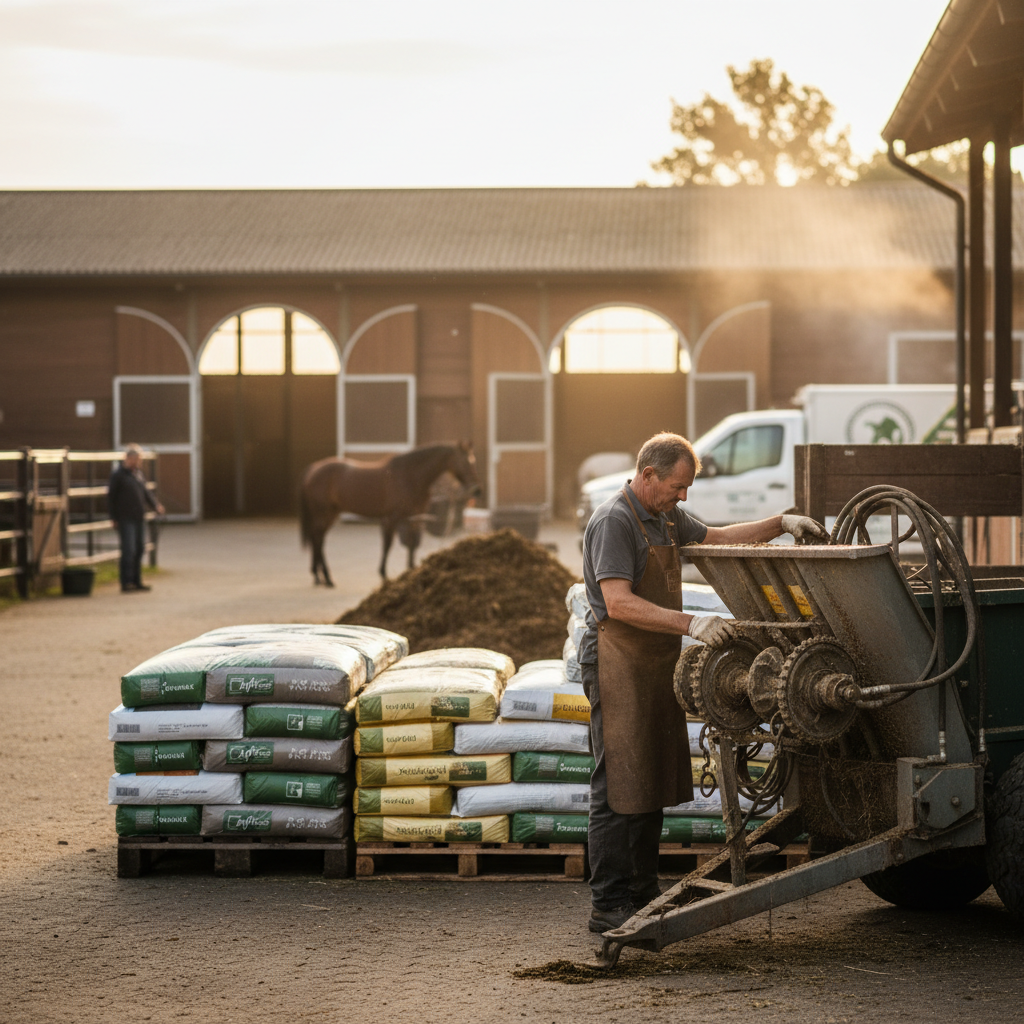
A maintenance checklist for horse properties, using Equestrian Canada 2022 Alberta facility lines and current local quotes.
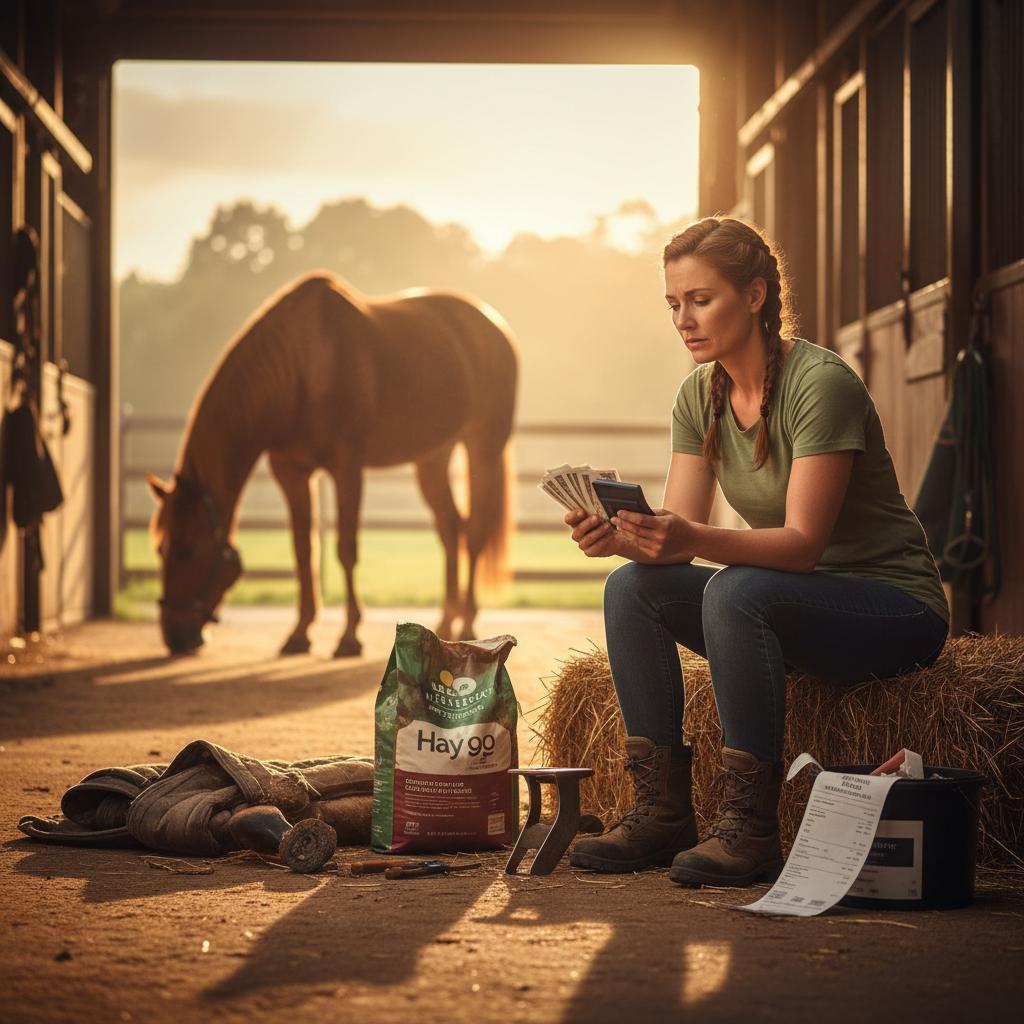
The initial purchase price of a horse is often just a fraction of the total investment. Uncover the real costs — from feed to farrier, vet care to unexpected emergencies — to budget accurately for horse ownership.