Beyond the Bill: How to Vet Your Equine Hoof Care Pro
By Claire Halden
Choosing the right equine hoof care professional is paramount for your horse's health. Learn to evaluate farriers and trimmers beyond just the price tag.
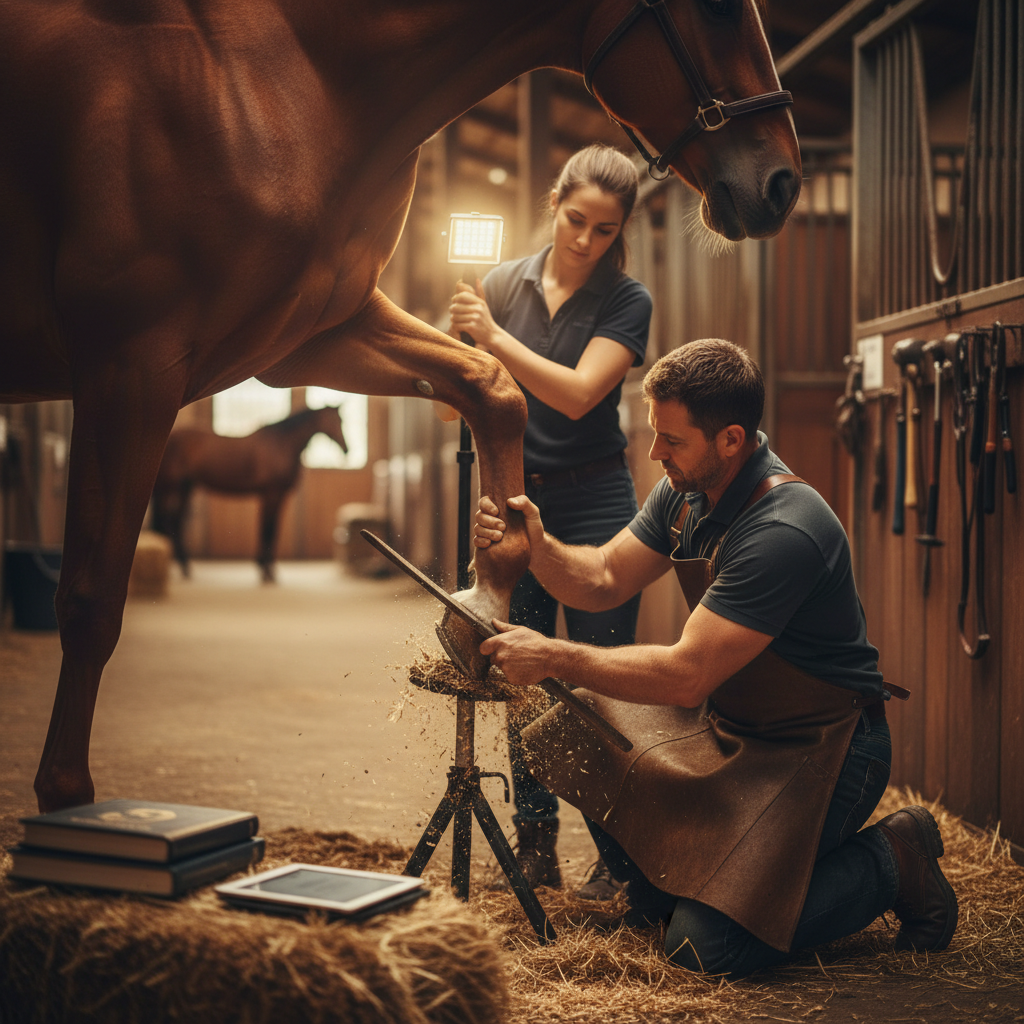
Over $10 billion is spent annually on equine care in the United States, with a significant portion allocated to hoof maintenance. Yet, many horse owners still select their farrier or trimmer based primarily on cost or proximity. While budget is always a consideration, a proactive, informed approach to selecting a hoof care professional is essential for your horse's long-term soundness and health. This article delves into critical evaluation criteria, empowering you to look beyond the farrier bill.
Understanding the Hoof Care Landscape: Farriers vs. Trimmers
The terms "farrier" and "trimmer" are often used interchangeably, but they represent distinct, though sometimes overlapping, skill sets. Understanding the differences is the first step in selecting the right professional for your horse's needs.
The Farrier: Tradition and Specialization
A farrier traditionally encompasses both the trimming of hooves and the application of shoes. Their training typically includes forging and fitting various types of metal shoes, addressing corrective shoeing needs, and working closely with veterinarians on lameness cases. Many farriers pursue formal education through programs like the American Farriers Association (AFA) certification, which involves written exams, practical demonstrations, and often mentorships. Levels range from Certified Farrier (CF) to Certified Journeyman Farrier (CJF), indicating increasing levels of expertise and commitment to continuing education.
Farriers often handle a diverse caseload, from performance horses requiring specialized shoeing for specific disciplines (e.g., reining slides, therapeutic bar shoes) to horses with chronic hoof conditions needing prescriptive shoeing. Their comprehensive skillset makes them invaluable for horses in demanding work or those with existing hoof pathologies.
The Trimmer: Focus on Natural Hoof Balance
Trimmers, particularly those advocating "natural hoof care," primarily focus on barefoot trimming techniques aimed at mimicking the wear patterns of wild horses. Their philosophy often centers on promoting natural hoof function, encouraging a strong, self-maintaining hoof capsule. Many trimmers receive training through specific natural hoof care methodologies (e.g., Pete Ramey, Jaime Jackson, Progressive Hoof Care Practitioners (PHCP)).
Trimmers are typically sought for horses maintained barefoot, those transitioning from shoes to barefoot, or horses needing regular maintenance trims to optimize natural hoof health. While many trimmers are highly skilled, it's crucial to ensure they possess a deep understanding of hoof anatomy, biomechanics, and pathology, even if they don't apply shoes.
Some professionals expertly blend both approaches, offering both traditional shoeing and natural trimming services based on the individual horse's requirements. The key is their underlying knowledge and ability to adapt.
Essential Evaluation Criteria: More Than Just a Trim
Beyond basic trimming ability, a truly excellent hoof care professional demonstrates several key qualities.
1. Education and Certification
Ask about their training background. Did they attend a reputable farrier school (e.g., Heartland Horseshoeing School, Oklahoma Horseshoeing School) or complete a rigorous natural hoof care program? Are they certified by organizations like the AFA (Certified Farrier, Certified Journeyman Farrier) or professional barefoot trimming associations? Certification indicates a commitment to professional standards and ongoing learning.
Continuing education is vital in hoof care. Professionals should regularly attend clinics, workshops, and educational events to stay current with new research and techniques. Inquire about their recent educational pursuits.
2. Experience and Specialization
Experience isn't just about years in the field; it's about the breadth and depth of cases handled. A farrier with 20 years of experience who only trims sound horses might be less equipped for a complex lameness case than a farrier with 10 years who regularly works with a veterinary lameness specialist.
Do they specialize in certain disciplines (e.g., western pleasure, dressage, endurance) or types of cases (e.g., founder recovery, navicular syndrome, young horses)? While specialization can be beneficial, ensure they have a solid foundation in general hoof health.
3. Communication and Professionalism
Effective communication is paramount. A good hoof care professional should:
- Explain their findings: Clearly articulate what they observe in your horse's hooves and why they recommend a particular approach.
- Listen to your concerns: Take your observations about your horse's movement, comfort, and history seriously.
- Educate you: Offer advice on diet, footing, and turnout that supports hoof health. For instance, understanding the energetic needs of your horse can help you manage weight and hoof growth, which you can estimate using a Horse Weight Calculator or by considering their dietary intake with a Horse Feed Calculator.
- Maintain a schedule: Be punctual or communicate promptly about delays. Consistency in scheduling is crucial for maintaining hoof balance.
- Handle your horse safely and patiently: A professional should prioritize the horse's comfort and safety during the trimming or shoeing process.
4. Collaboration with Veterinarians
Ideal hoof care professionals work as part of a team with your veterinarian, especially for horses with lameness issues or chronic hoof conditions. They should be willing to discuss cases, review radiographs (X-rays), and implement veterinary recommendations. A professional who dismisses veterinary input is a red flag.
5. Facility and Equipment
Observe their equipment. Is it clean, well-maintained, and appropriate for the task? Sharp, well-cared-for tools indicate attention to detail and help ensure a precise, clean trim. A professional who uses dull or dirty tools is not practicing optimal hygiene or care.
6. References and Reputation
Ask for references from other horse owners or local veterinarians. A professional with a strong, positive reputation in the equine community is a good indicator of quality service. Online reviews and community forums can also offer insights, though always consider the source.
7. Cost vs. Value
While cost should not be the sole determinant, it's a factor. Farrier costs vary significantly by region, horse size, type of service (trim vs. shoeing, corrective work), and the professional's experience. A basic trim might range from $40-$70, while full shoeing can be $120-$250 or more. Corrective or therapeutic shoeing can easily exceed $300 per visit, depending on materials and complexity.
It's crucial to compare apples to apples. A cheaper service that leads to lameness or frequent re-trims due to poor work will cost you more in vet bills and lost riding time in the long run. Invest in quality care.
Red Flags to Watch For
Be wary of professionals who:
- Consistently run very late without communication.
- Are unwilling to discuss their methods or answer your questions.
- Blame other professionals (vets, trainers, previous farriers) for all issues.
- Exhibit rough or impatient handling of your horse.
- Suggest "secret" or unconventional methods without scientific basis.
- Are always available immediately, which might indicate a lack of consistent clientele.
Optimizing Your Hoof Care Program
Your role as a horse owner is critical. Maintain a consistent trimming/shoeing schedule, typically every 4-8 weeks, depending on your horse's growth rate, workload, and environmental factors. Provide a safe, clean, and well-lit workspace for your hoof care professional. Regular observation of your horse's movement and hoof condition between visits can help you identify issues early.
Supporting Hoof Health: Beyond the Trim
Beyond regular trims, consider these factors for robust hooves:
- Nutrition: A balanced diet rich in essential vitamins and minerals (biotin, methionine, zinc, copper) is crucial. Consult with an equine nutritionist if you suspect dietary deficiencies. The quality and cost of hay also play a role; you can estimate your expenses using a Hay Bale Cost Calculator.
- Environment: Dry, clean turnout areas reduce the risk of thrush and other bacterial/fungal infections. Protect hooves from prolonged exposure to excessively wet or muddy conditions.
- Exercise: Regular, appropriate exercise promotes circulation within the hoof, contributing to overall health and strength.
Frequently Asked Questions (FAQ)
Q: How often should my horse's hooves be trimmed or shod?
A: Most horses require hoof care every 4-8 weeks. The exact interval depends on factors like growth rate, workload, hoof quality, and environmental conditions. Your hoof care professional can recommend an optimal schedule for your individual horse.
Q: What should I do if my horse loses a shoe between farrier visits?
A: If your horse loses a shoe, contact your farrier immediately to schedule a re-set. If the farrier cannot come out promptly, and the hoof is breaking up, a veterinarian may be able to temporarily protect the hoof until your farrier arrives. Leaving a shoe off for too long can cause uneven wear, discomfort, and potential lameness.
Q: Can diet really affect hoof health?
A: Absolutely. Hooves are living tissue, and their health is directly influenced by nutrition. Deficiencies in key nutrients like biotin, methionine, zinc, and copper can lead to brittle hooves, slow growth, and other issues. A balanced diet and sometimes specific supplements are vital for strong, healthy hooves.
Q: What's the difference between a therapeutic trim/shoe and a regular one?
A: A regular trim or shoe aims to maintain a healthy, balanced hoof for a sound horse. A therapeutic or corrective trim/shoe is specifically designed to address an existing hoof pathology, lameness, or conformational issue. This often involves specialized shoeing techniques (e.g., bar shoes, wedges, specific modifications) or precise trimming to alleviate pain, correct imbalances, or support recovery from conditions like laminitis or navicular disease. These often require veterinary consultation and radiographs.
Q: Is "barefoot" always better than shoes?
A: Not necessarily. While barefoot trimming can promote natural hoof function for many horses, shoes provide protection and support that some horses require due to workload, genetics, underlying conditions, or challenging terrain. The best approach depends on the individual horse's needs, environment, and job, and should be determined in consultation with your hoof care professional and veterinarian.
Choosing the right equine hoof care professional is an investment in your horse's well-being. By thoroughly vetting candidates based on education, experience, communication, and their willingness to collaborate, you ensure your horse receives the knowledgeable, consistent care essential for lifelong soundness. Don't underestimate the value of a skilled partner in your horse's hoof health journey. Your horse will thank you for it.
This article is general information, not veterinary advice. Talk to your veterinarian about your horse.