Equine Colic: Proactive Prevention & Management
By Claire Halden
Colic is a leading health concern for horse owners. Learn proactive strategies, from diet to environment, to significantly reduce your horse's colic risk and enhance digestive health.
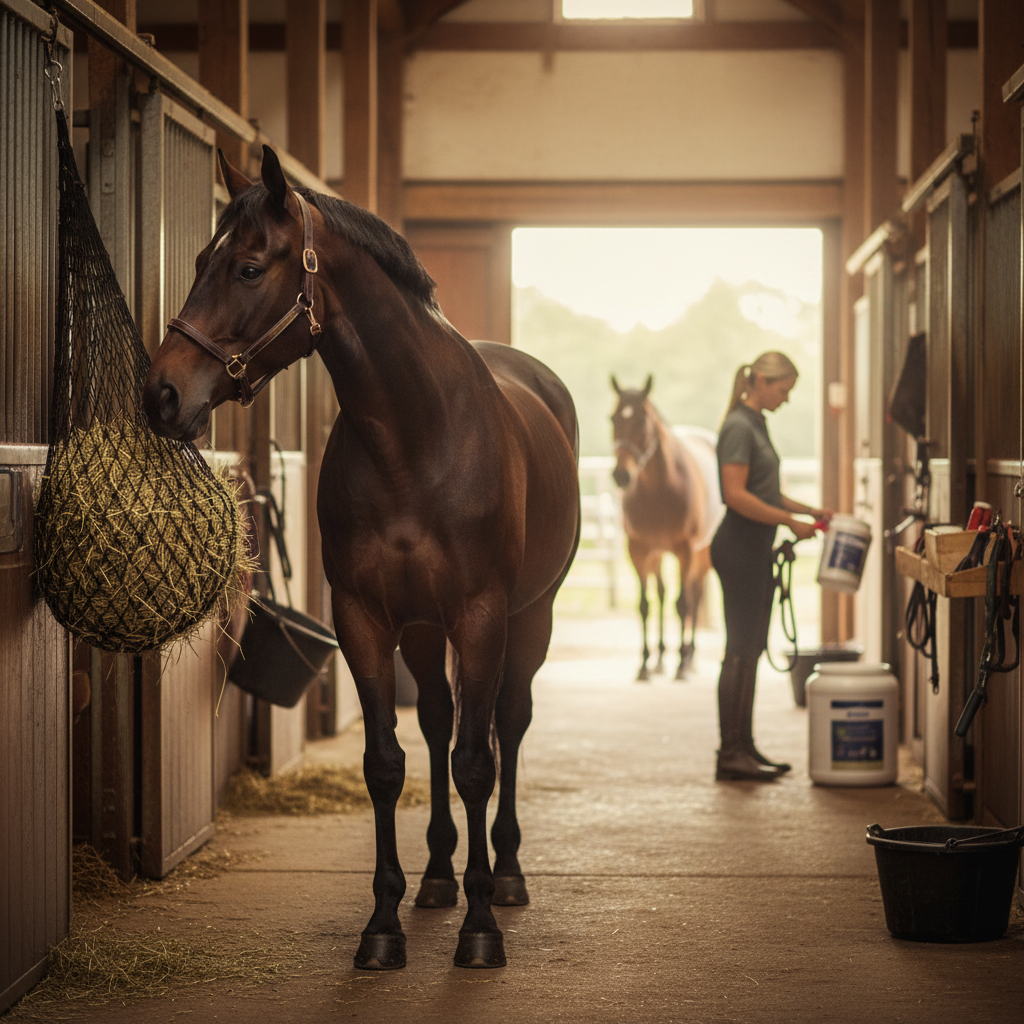
Colic, defined as abdominal pain, is consistently reported as one of the most common emergencies for equine veterinarians and a significant cause of mortality in horses. A 2017 study published in the Journal of the American Veterinary Medical Association (JAVMA) found that colic accounted for nearly 30% of emergency calls to equine practitioners. Understanding the underlying causes and implementing proactive management strategies is crucial for every horse owner to mitigate risk and maintain digestive well-being.
Understanding Equine Colic
Equine colic is not a disease itself but a symptom of gastrointestinal upset. It manifests in various forms, from mild gas colic to life-threatening displacements or impactions. While some causes are unavoidable, many types of colic are directly linked to management practices, diet, and environment. Recognizing the signs early and understanding the different types of colic is the first step toward effective prevention.
Types of Colic
- Gas Colic (Spasmodic Colic): Caused by excessive gas buildup in the intestines, leading to distension and pain. Often linked to rapid changes in diet, lush pasture, or stress.
- Impaction Colic: Occurs when feed material, often dry or coarse, accumulates and creates a blockage, typically in the large colon. Insufficient water intake, poor dental health, and reduced motility are common contributors.
- Displacement/Torsion Colic: More severe forms where a section of the intestine moves to an abnormal location (displacement) or twists upon itself (torsion). These are surgical colics requiring immediate veterinary intervention and carry a higher risk of mortality.
- Sand Colic: Common in sandy regions, caused by the ingestion and accumulation of sand in the digestive tract, particularly the large colon. This irritates the gut lining and can lead to impactions.
Recognizing the Signs
Early detection significantly impacts the outcome of a colic episode. Owners should be vigilant for: pawing, repeatedly looking at the flank, stretching out, lying down more than usual, rolling, decreased appetite or manure production, lack of gut sounds, sweating, and an elevated heart rate (normal resting heart rate for an adult horse is 28-44 beats per minute). Any deviation from a horse's normal behavior warrants close observation and often a call to your veterinarian.
Proactive Management Strategies
Prevention is the most effective approach to managing colic risk. A multi-faceted strategy focusing on diet, hydration, environment, and routine healthcare can drastically reduce the incidence of many colic types.
1. Optimize Dietary Management
Diet is perhaps the single most influential factor in colic prevention. The equine digestive system is designed for continuous grazing of fibrous material.
- Forage First: Hay or pasture should form the cornerstone of your horse's diet, ideally comprising 1.5% to 2.5% of their body weight daily. For example, a 1,000-pound horse should consume 15-25 pounds of forage per day. Providing free-choice hay, especially overnight, can prevent long periods of an empty stomach, which can contribute to digestive upset. Use our Hay Bale Cost Calculator to optimize your forage budget.
- Consistent Feeding Schedule: Establish and adhere to a regular feeding schedule. Horses thrive on routine. Sudden changes in type or amount of feed can disrupt gut flora and motility, increasing colic risk. Introduce any new feed, including hay, grains, or supplements, gradually over 7-14 days.
- Minimize Concentrates: Grain and high-starch feeds should be fed sparingly and only when necessary to meet energy demands not met by forage. Large grain meals can overwhelm the small intestine, leading to undigested starch reaching the hindgut, causing fermentation and gas production. If feeding concentrates, divide meals into small portions (ideally no more than 0.5% of body weight per meal, e.g., 5 pounds for a 1,000-pound horse). Use our Horse Feed Calculator to determine appropriate concentrate amounts.
- Choose Appropriate Forage: Select good quality, dust-free hay. Avoid moldy or overly coarse hay. If pasture is limited, good quality hay is paramount.
2. Ensure Adequate Hydration
Water is essential for digestive function, particularly in preventing impaction colic.
- Constant Fresh Water Access: Horses should have 24/7 access to clean, fresh water. Average consumption ranges from 5-10 gallons per day, but can double in hot weather or with exercise. Automated waterers should be checked daily for function and cleanliness. Troughs and buckets require daily scrubbing, especially in warmer months.
- Winter Hydration: In cold climates, ensure water does not freeze. Heated water buckets or tank heaters can encourage horses to drink more, as studies show horses prefer tepid water (45-65°F / 7-18°C) over icy water, increasing intake by up to 40%.
- Electrolytes: Consider offering electrolytes, especially during hot weather, intense work, or when traveling, to encourage drinking and replace lost salts. Always provide plain water alongside electrolytes.
3. Implement Effective Parasite Control
Internal parasites can cause direct damage to the intestinal lining, lead to impactions, and contribute to various types of colic. The American Association of Equine Practitioners (AAEP) recommends a targeted deworming approach based on fecal egg counts (FEC).
- Veterinarian-Guided Program: Work with your veterinarian to develop a tailored deworming schedule. This prevents resistance to dewormers and effectively manages parasite loads.
- Pasture Management: Regular removal of manure from paddocks (at least 2-3 times per week) can significantly reduce parasite burdens. Rotational grazing, if feasible, also helps break parasite life cycles.
4. Prioritize Dental Health
Poor dental health directly impacts a horse's ability to properly chew feed, leading to large, undigested particles entering the digestive tract, which is a major risk factor for impaction colic.
- Regular Dental Exams: Schedule annual or semi-annual dental examinations and floats (filing down sharp enamel points) by an equine veterinarian or qualified equine dental technician. Older horses and those with specific dental issues may require more frequent attention.
5. Promote Regular Exercise and Turnout
Movement stimulates gut motility and can help prevent gas and impaction colics.
- Daily Turnout: Provide as much turnout as possible, ideally 12 hours or more per day. This allows for natural grazing behavior and continuous movement.
- Consistent Exercise: Maintain a regular exercise routine appropriate for your horse's fitness level. Avoid sudden changes in activity levels, as this can be a stressor.
6. Manage Stress and Environment
Stress can negatively impact gut motility and increase colic risk.
- Stable Routine: Maintain a consistent daily routine for feeding, turnout, and exercise. Predictability reduces stress.
- Social Interaction: Horses are herd animals. Provide opportunities for safe social interaction with other horses, if possible.
- Travel and Competition: Minimize stress during travel and competition through careful planning, adequate hydration, and consistent feeding schedules.
Colic in Specific Situations
Post-Surgical Colic
Horses recovering from surgery, especially abdominal surgery, are at higher risk for subsequent colic episodes. Close veterinary monitoring, pain management, and a carefully managed refeeding plan are critical. Post-operative care should strictly follow veterinary instructions.
Broodmares and Foals
Broodmares are susceptible to colic around foaling, and foals can experience meconium impactions or other unique colic types. Regular veterinary checks for mares and immediate attention to any signs of discomfort in foals are paramount. New foals should be monitored closely for passing meconium within the first few hours of birth.
When to Call the Veterinarian
Any signs of colic, regardless of perceived severity, warrant a call to your veterinarian. Describe the symptoms accurately, including onset, duration, and any changes in behavior or manure. Your vet will advise whether to monitor, administer pain relief, or if an emergency visit is required. Never administer medication without veterinary guidance, as it can mask symptoms and complicate diagnosis.
Frequently Asked Questions (FAQ)
Q1: Can a horse colic from eating rich grass?
A1: Yes, sudden access to lush, rich pasture, especially for horses not accustomed to it, can cause an overload of fermentable carbohydrates in the hindgut, leading to gas colic or even laminitis.
Q2: How much water does a horse need to prevent colic?
A2: An average 1,000-pound horse needs 5-10 gallons of fresh water daily, but this can increase significantly with exercise, heat, or lactation. Consistent access to clean water is crucial.
Q3: Are some breeds more prone to colic?
A3: While all breeds can colic, some studies suggest certain breeds like Arabians may have a higher incidence of specific types of colic, such as epiploic foramen entrapment. However, management practices are generally more influential than breed.
Q4: Can stress cause colic in horses?
A4: Yes, stress can definitely contribute to colic. Changes in routine, travel, social hierarchy shifts, and intense training can all impact gut motility and increase colic risk.
Q5: How often should I float my horse's teeth to prevent colic?
A5: Most adult horses benefit from annual dental examinations and floats. Older horses or those with specific dental issues may require more frequent attention, often every 6 months. Consult your veterinarian for a personalized recommendation.
This article is general information, not veterinary advice. Talk to your veterinarian about your horse.