Optimal Equine Fly Control: Methods, Costs, & Efficacy
By Claire Halden
Navigate the complexities of equine fly control with this in-depth guide, covering everything from effective strategies and product costs to application techniques, ensuring your horse
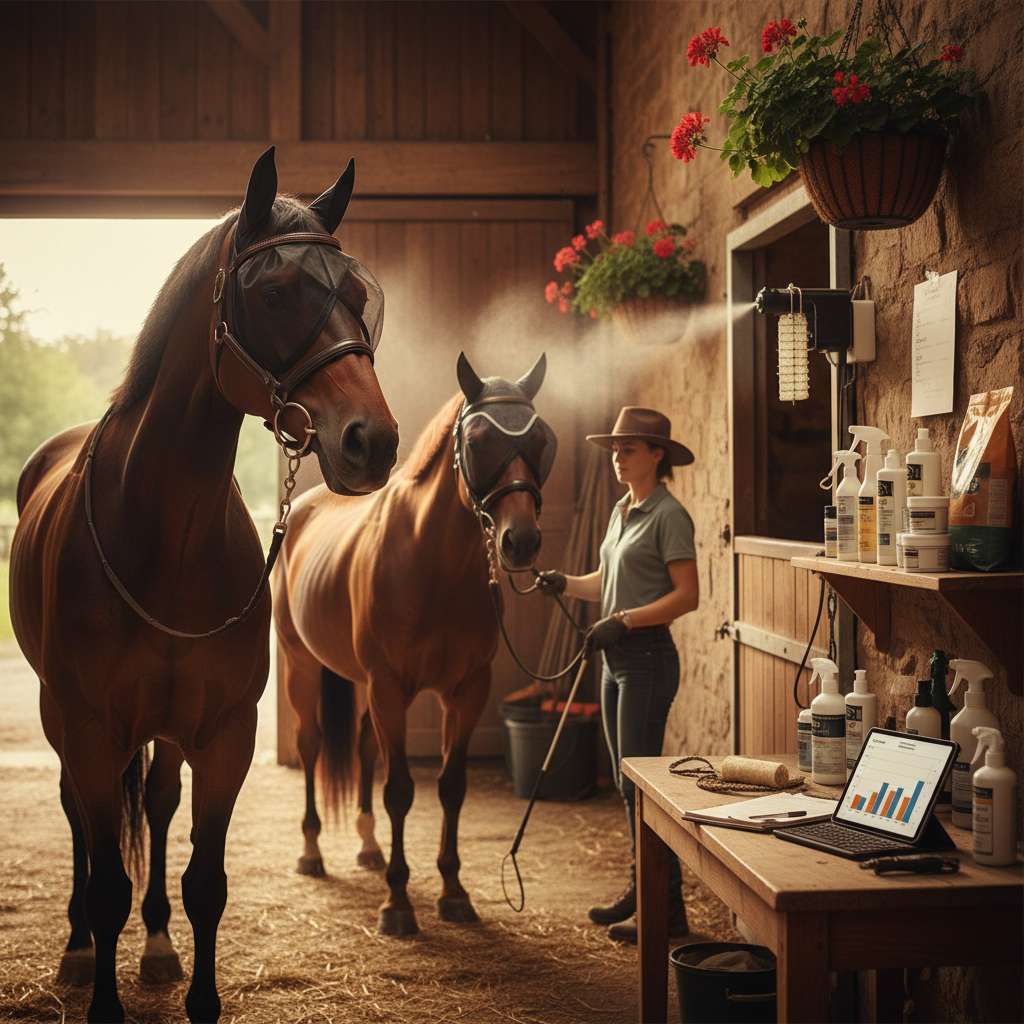
Despite meticulous barn management, a single horse can attract hundreds of flies in warm weather, creating discomfort, stress, and potential health risks. Effective fly control is not merely a convenience; it's a critical component of equine health management, impacting everything from appetite to performance and disease prevention. This comprehensive guide delves into the most effective methods, their true costs, and practical application techniques to safeguard your horses from these pervasive pests.
Understanding the Enemy: Common Equine Pests
Before tackling control methods, it’s vital to identify the primary insect threats:
- House Flies (Musca domestica): Nuisance flies attracted to manure and decaying organic matter. They are mechanical vectors for bacteria and viruses.
- Stable Flies (Stomoxys calcitrans): Biting flies that feed on blood, causing painful bites usually on the legs and belly. They can transmit diseases like Equine Infectious Anemia (EIA) and Habronema (stomach worms).
- Face Flies (Musca autumnalis): Non-biting flies that feed on secretions around the eyes and nostrils, spreading conjunctivitis and other eye infections.
- Horn Flies (Haematobia irritans): Small, biting flies that remain on the horse for extended periods, typically found on the shoulders, neck, and back. Less common on horses than cattle.
- Mosquitoes (Culicidae): Biting insects responsible for transmitting West Nile Virus (WNV), Eastern Equine Encephalomyelitis (EEE), Western Equine Encephalomyelitis (WEE), and even Equine Encephalitis.
- Gnats (Culicoides spp.): Biting midges, often called 'no-see-ums,' which cause allergic reactions (sweet itch or Summer Seasonal Recurrent Allergic Dermatitis – SSREAD) and transmit diseases like African Horse Sickness and Bluetongue.
- Bot Flies (Gasterophilus spp.): Lay eggs on the horse's coat; ingested larvae develop in the stomach, causing irritation and potentially colic. These require internal deworming rather than external fly control.
Integrated Pest Management (IPM) for Horses
A holistic approach to fly control, known as Integrated Pest Management (IPM), combines various strategies to minimize fly populations and reduce reliance on a single method. This multi-pronged attack is generally the most effective and sustainable.
1. Sanitation: The Foundation of Fly Control
Effective sanitation is the cornerstone of any successful fly control program. Without it, other methods will yield limited results.
- Manure Management: Flies breed rapidly in moist organic matter. Remove manure from stalls and paddocks daily. Composting manure correctly, reaching internal temperatures of 130-150°F (54-66°C), can kill fly larvae and eggs. The USDA recommends composting for at least three weeks to achieve optimal pathogen and pest reduction.
- Waste Disposal: Keep feed and hay storage areas clean and dry. Promptly dispose of spilled feed and wet bedding. Ensure garbage cans have tight-fitting lids.
- Drainage: Eliminate standing water, as it provides breeding grounds for mosquitoes. Fix leaky faucets and ensure proper drainage around barns and paddocks.
- Feeder Cleaning: Regularly clean feed buckets and troughs, removing any leftover feed or dampness that can attract flies.
2. Physical Barriers: Protecting Your Horse Directly
Physical barriers offer direct protection without chemicals.
- Fly Masks: Essential for protecting sensitive eyes and ears from face flies. Costs range from $10-$40, depending on material and features (e.g., ear covers, UV protection).
- Fly Sheets: Lightweight mesh sheets that cover the horse's body. Ideal for horses with skin sensitivities or those ridden during peak fly hours. Prices typically range from $50-$150.
- Leg Wraps/Boots: Protect lower legs from stable fly bites. Can range from $20-$60 per pair.
- Stall Fans: Good air circulation in stalls deters flies, as they prefer still air. Industrial barn fans can cost $100-$500 per unit, plus electricity. A well-ventilated barn is crucial; the AAEP often stresses adequate airflow for equine health.
3. Biological Control: Natural Allies
Biological control utilizes natural predators or parasites to reduce fly populations.
- Fly Parasites (Wasp Larvae): Tiny, non-stinging wasps (e.g., Spalangia and Muscidifurax) lay their eggs in fly pupae, killing them before they hatch. These are most effective when released consistently throughout the fly season, starting before fly populations explode. A common program for a 4-6 horse barn might cost $30-$70 per month for regular shipments from suppliers like Arbico Organics or Spalding Labs.
- Predatory Mites: Less commonly used in equine settings, but some species can consume fly eggs and larvae in manure.
4. Chemical Control: Topical and Environmental Applications
Chemical methods provide direct fly repellency or elimination.
A. Topical Fly Sprays and Roll-ons
These are a primary defense applied directly to the horse.
- Pyrethrins and Permethrins: Derived from chrysanthemum flowers (pyrethrins) or synthetic versions (permethrins). They act as neurotoxins for insects, offering knockdown and repellency. Effectiveness: Good short-term repellency, but efficacy diminishes quickly (4-8 hours). Cost: A 32 oz concentrate for a typical permethrin-based spray might cost $20-$50, diluting to several gallons. Ready-to-use sprays are $15-$30 per quart. A single horse might use 1-2 quarts per month during peak season, totaling $30-$60/month.
- Picaridin: A synthetic compound often found in human insect repellents, now appearing in equine products. Offers good broad-spectrum repellency. Effectiveness: Longer lasting than pyrethrins, up to 8-12 hours. Cost: Generally more expensive, around $25-$40 per quart.
- Essential Oils (Citronella, Eucalyptus, Lemongrass, etc.): Natural alternatives. Effectiveness: Highly variable and generally short-lived (1-2 hours), requiring frequent reapplication. Some horses may have skin sensitivities. Cost: Concentrated essential oils can be mixed, costing $10-$30 for a small bottle, but require carrier oils and frequent application, potentially increasing overall usage and cost.
- Application: Apply uniformly, avoiding eyes and nostrils. For sensitive areas, apply with a cloth. Reapply as directed by the product label, especially after sweating or bathing.
B. Feed-Through Fly Control
These products contain insect growth regulators (IGRs) that pass through the horse's digestive system and are excreted in manure, preventing fly larvae from developing.
- Active Ingredients: Common IGRs include diflubenzuron (e.g., SimpliFly, Solitude IGR) or cyromazine (e.g., DailyCare Fly Control). They are specific to insect development and generally considered safe for horses and other mammals.
- Effectiveness: Highly effective against manure-breeding flies (house flies, stable flies) when consistently fed to all horses on the property. Requires 4-6 weeks to see full results. Does not repel biting flies that don't breed in manure (e.g., mosquitoes, gnats).
- Cost: Varies by product and horse weight. For a 1000-lb horse, monthly cost typically ranges from $15-$35. Consider using a Horse Weight Calculator to ensure accurate dosing for your specific horse.
- Application: Mixed daily with feed. Needs to be fed continuously throughout the fly season.
C. Barn and Premise Sprays
Applied to barn surfaces, walls, and surrounding areas to create residual barriers.
- Active Ingredients: Often permethrin, cyfluthrin, or other synthetic pyrethroids. Some also use natural pyrethrums.
- Effectiveness: Provides residual control for several days to weeks, depending on the product and environmental conditions. Good for reducing fly populations in and around structures.
- Cost: A gallon concentrate (e.g., for Permethrin 10%) can cost $30-$60, diluting to many gallons for premise spraying. A small farm might use several gallons of diluted spray per month, adding $20-$50 to monthly costs.
- Application: Use a sprayer to cover walls, ceilings, and other fly resting spots. Always follow label directions strictly and ensure horses, feed, and water are removed before spraying.
D. Automatic Fly Spray Systems
These systems dispense a fine mist of insecticide (often pyrethrins or permethrins) at timed intervals throughout the day.
- Effectiveness: Excellent for continuous, broad-spectrum fly control within barns and covered areas. Can significantly reduce fly populations.
- Installation Cost: Initial setup can be substantial, typically $1,000-$3,000+ for a multi-stall barn, including pumps, nozzles, and tubing.
- Ongoing Cost: Refills of insecticide concentrate run about $100-$200 per 5-gallon drum, which might last 1-3 months depending on system size and settings. Monthly operating costs, including refills and maintenance, could be $50-$150.
- Considerations: Requires regular maintenance. Some owners express concerns about continuous chemical exposure to horses and humans, though products are designed for safe use when directions are followed. Ventilation is key.
5. Traps and Baits
Complementary tools for targeted fly reduction.
- Sticky Fly Traps/Ribbons: Inexpensive and effective for catching house flies. Cost: $5-$20 for a pack of multiple ribbons/traps. Effectiveness: Visually satisfying but limited in scope; best for supplementing other methods.
- Baited Fly Traps: Use attractants (e.g., pheromones, food lures) to draw flies into a trap where they cannot escape. Cost: $10-$30 per trap kit, with refills costing $5-$15. Effectiveness: Highly effective for house flies and some stable flies, especially when placed away from the barn to draw flies away. Requires regular emptying and rebaiting.
- Fly Bait (Granular): Granules containing insecticides and attractants. Placed in bait stations (not directly on surfaces horses can access). Cost: $20-$40 for a pound, which can last weeks to months depending on usage. Effectiveness: Good for quick knockdown of house flies around waste areas.
Developing Your Equine Fly Control Strategy
Creating an effective fly control program requires assessment, adaptation, and consistency.
- Assess Your Environment: Identify the prevalent fly species and their breeding sites. Is it primarily stable flies around the barn, or mosquitoes from nearby standing water?
- Start Early: Begin your fly control efforts before fly populations peak in late spring or early summer. This is particularly crucial for feed-through products and fly parasite releases.
- Combine Methods: No single method is 100% effective. A layered approach combining sanitation, physical barriers, feed-throughs, and topical sprays will yield the best results. For example, use a feed-through for manure-breeding flies, fly masks and sheets for direct protection, and topical sprays for riding.
- Consider Seasonal Changes: Fly pressure fluctuates. You might intensify topical spray use during peak biting fly times or increase parasite releases during hot, humid spells.
- Monitor and Adjust: Regularly observe fly populations. If your current strategy isn't working, re-evaluate and adjust. Consult with your veterinarian for severe infestations or unusual fly activity.
- Budget Wisely: Fly control can be an ongoing expense. Factor in the cost of products, labor, and potential veterinary visits for fly-related issues. Comparing the cost of different feed types for a comprehensive Horse Feed Calculator might help you re-allocate feed budget towards fly control if needed, especially as some feed additives address internal parasites that may be linked to flies.
The True Cost of Neglect
While fly control involves expenses, the cost of not controlling flies can be far greater:
- Veterinary Bills: Treating allergies (e.g., sweet itch), eye infections, skin lesions, or vector-borne diseases like WNV can quickly run into hundreds or thousands of dollars. The AAEP regularly publishes guidelines on disease prevention, underscoring the importance of vector control.
- Performance Decrement: Horses constantly bothered by flies are stressed, agitated, and cannot focus. This impacts training, riding, and overall well-being.
- Weight Loss: Constant stomping, tail swishing, and agitation expend significant energy. Horses may also reduce grazing time due to fly pressure, affecting their nutritional intake, which you might monitor using a Hay Bale Cost Calculator to ensure efficient feed utilization.
- Facility Deterioration: Increased stomping can damage stall mats and flooring.
- Reputation: A fly-infested barn reflects poorly on management and can deter clients or boarders.
Frequently Asked Questions (FAQ)
Q: Are
This article is general information, not veterinary advice. Talk to your veterinarian about your horse.