Vetting Equine Trainers: Deeper Than the Website
By Mark Dunlop
Don't just skim trainer bios. Learn how to meticulously evaluate equine trainer credentials to ensure your horse receives expert guidance.
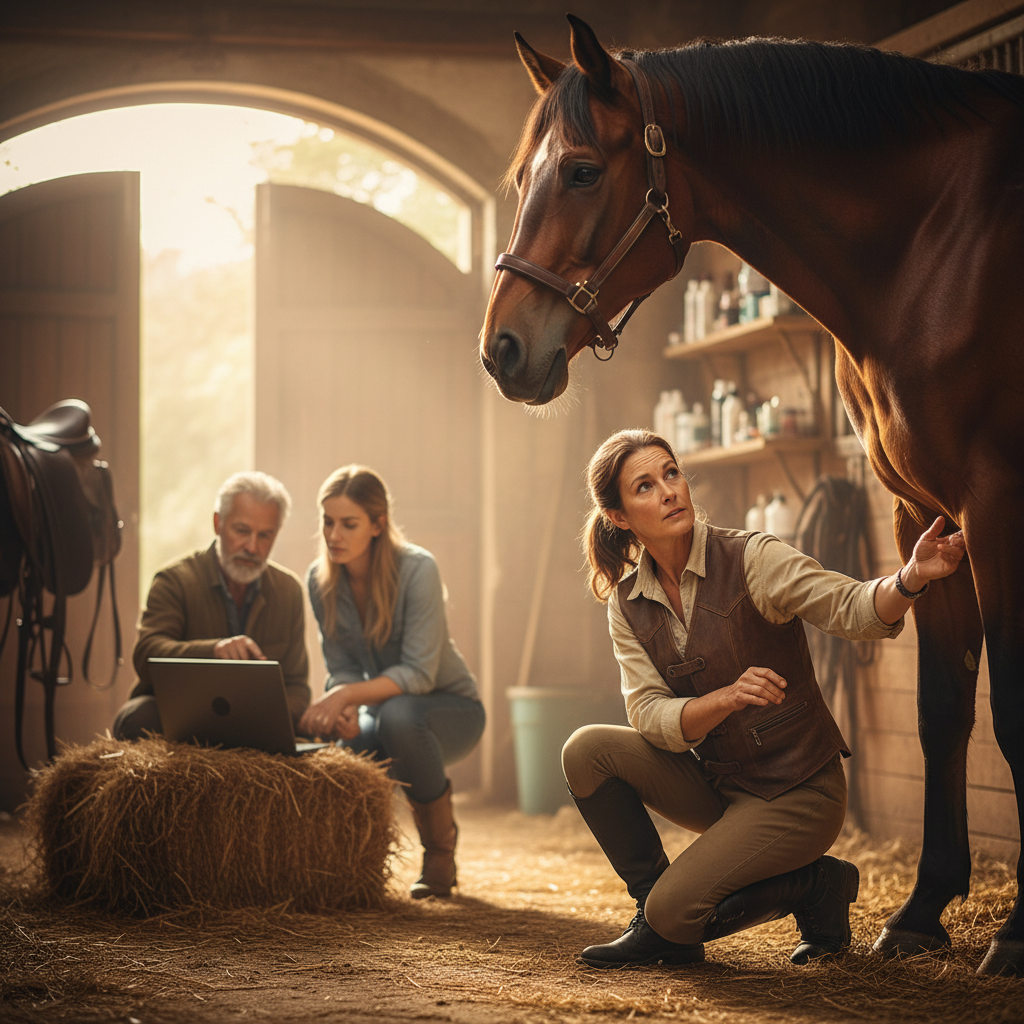
A staggering 70% of horse owners admit to feeling overwhelmed or uncertain when selecting an equine professional. In an industry where formal licensing is rare and certifications vary wildly, discerning a truly qualified equine trainer from a charismatic but under-experienced one is crucial for your horse's well-being and your investment. This article goes beyond the glossy website, providing a pragmatic framework for evaluating equine trainer credentials.
The Unregulated Landscape: Why Due Diligence Matters
Unlike many other animal-related professions, such as veterinary medicine or farriery (which often requires state or association-level certification), equine training largely operates without mandatory federal or state-level licensing in the United States. This means anyone can declare themselves an "equine trainer" regardless of their experience, education, or ethical standards.
The absence of universal regulation places the onus squarely on the horse owner to perform thorough due diligence. A wrong choice can lead to significant setbacks, behavioral issues, physical injury for both horse and rider, and considerable financial waste. The average cost for professional training can range from $500 to $1,500 per month, not including board, so making an informed decision is paramount.
Step 1: Beyond the Bio – Verifying Experience and Education
While a trainer's online biography or social media presence can be a starting point, it should never be the endpoint of your evaluation. Information can be embellished, incomplete, or simply untrue.
Academic and Formal Education
While not strictly necessary, formal education in equine science, animal behavior, or related fields can indicate a foundational understanding of equine physiology, psychology, and learning theory. Look for:
- Degrees: Bachelor's or Master's degrees from accredited universities (e.g., in Equine Studies, Animal Science). These often include practical riding components alongside scientific coursework.
- Certificates/Diplomas: Programs from reputable equine colleges or vocational schools (e.g., Meredith Manor, Lake Erie College, William Woods University). These are usually more hands-on and career-focused.
Professional Certifications and Affiliations
Certifications demonstrate a trainer's commitment to professional development and adherence to specific standards. However, the quality and rigor of certification programs vary. Investigate the issuing body:
- Industry-Recognized Programs: Examples include Certified Horsemanship Association (CHA) certifications for riding instructors, or specific breed association certifications (e.g., American Quarter Horse Association (AQHA) Professional Horseman). The CHA offers different levels (e.g., Level 1, Level 2, etc.) and disciplines, requiring practical assessment and knowledge.
- Discipline-Specific Organizations: Associations like the United States Dressage Federation (USDF) or the United States Hunter Jumper Association (USHJA) offer educational programs and certifications that signify a commitment to particular disciplines. For instance, USDF offers an Instructor Certification program with multiple stages.
- Animal Behavior Certifications: While less common for general trainers, certifications in animal behavior (e.g., through the Animal Behavior Society) can indicate a deeper understanding of learning principles relevant to horse training.
Apprenticeships and Mentorships
Some of the most profound learning in the equine industry occurs through hands-on apprenticeships under accomplished, ethical professionals. A trainer who has spent years as an assistant or working student for a well-respected figure often possesses a depth of practical knowledge and a strong ethical foundation. Inquire about:
- Mentors' Names: Ask for the names of trainers they have studied under.
- Duration: How long did these mentorships last? A few weeks is vastly different from several years.
- Role: What responsibilities did they have during the apprenticeship?
Step 2: The Practical Assessment – Observing Skills and Horsemanship
No amount of paper credentials can replace direct observation of a trainer's interaction with horses and students.
Barn Visit and Observation
Schedule an in-person visit to the trainer's facility without your horse initially. Observe:
- Horse Welfare: Are horses well-maintained, with appropriate body condition? Are stalls clean, and turnout adequate? The AAEP (American Association of Equine Practitioners) provides guidelines on equine welfare that can serve as a benchmark.
- Training Methods: Do methods align with positive reinforcement, clear communication, and respect for the horse? Avoid trainers who rely heavily on force, intimidation, or harsh equipment.
- Horse Behavior: Are the horses in training calm, attentive, and responsive, or do they appear stressed, anxious, or shut down? Look for horses that are progressing without undue stress.
- Facility Safety: Are fences, stalls, and riding areas in good repair? Are fire safety measures evident? This directly impacts your horse's safety.
Watching Lessons/Training Sessions
Ask if you can observe the trainer working with other horses or giving lessons. Pay attention to:
- Communication: How does the trainer communicate with both horse and rider? Is it clear, consistent, and patient?
- Problem-Solving: How do they address challenges or behavioral issues that arise during a session? Do they adapt their approach?
- Results: Are the horses and riders demonstrating progress appropriate for their level?
Trial Period
If possible, arrange for a short trial period (e.g., one or two training sessions) for your horse. This allows you to assess the trainer's approach with your specific animal. Ensure clear communication about expectations and fees upfront.
Step 3: References and Reputation – Digging Deeper
Word-of-mouth is powerful, but needs to be validated.
Client References
Request at least three current and past client references. When speaking with them, ask specific questions:
- What specific goals did you have for your horse, and how did the trainer help you achieve them?
- How does the trainer handle challenges or setbacks?
- What is their communication style like?
- Would you use them again?
Veterinary and Farrier References
These professionals often have an objective view of a trainer's horsemanship. Ask for references from a veterinarian and farrier who regularly work with the trainer's horses. They can attest to:
- Horse Health: Are the horses under the trainer's care sound, well-conditioned, and receiving appropriate medical/hoof care?
- Training Impact: Do they observe lameness issues or stress indicators consistent with harsh training methods?
Industry Reputation
Discreetly inquire within your local equine community. Attend local shows, clinics, or events and observe who is respected. Forums like "The Horse magazine" (thehorse.com) often have communities where you can research trainers in specific regions, though always cross-reference online opinions.
Step 4: The Business Side – Contracts, Communication, and Costs
Once you've assessed credentials and observed skills, confirm the practical aspects.
Clear Contracts
A professional trainer will have a written contract outlining:
- Services: What exactly is included in the training package (e.g., number of rides per week, turnout, blanketing)?
- Fees: Detailed breakdown of costs (training, board, farrier, vet, supplements, etc.). Be clear on payment schedules. Consider how these costs impact your overall horse care budget, potentially using a Hay Bale Cost Calculator to factor in feed expenses if you supply your own, or a Horse Feed Calculator to estimate daily feeding needs if board is separate.
- Liability: Who is responsible in case of injury to horse, rider, or trainer?
- Emergency Plan: What happens in a medical emergency for your horse?
Communication Expectations
Discuss how and how often the trainer will communicate progress, challenges, and general updates. A good trainer provides regular feedback and is approachable.
Insurance
Verify that the trainer carries adequate liability insurance. Ask for proof of insurance, as this protects both you and the trainer in case of an incident.
Conclusion: Your Horse Deserves the Best
Selecting an equine trainer is one of the most critical decisions you'll make for your horse. By systematically evaluating credentials beyond the online bio, observing their methods, seeking comprehensive references, and clarifying business terms, you significantly increase the likelihood of finding a skilled, ethical professional who aligns with your goals and prioritizes your horse's welfare. Remember, a truly excellent trainer not only trains the horse but also educates the owner.
FAQ: Evaluating Equine Trainer Credentials
Q: Is formal certification mandatory for a good equine trainer?
A: No, formal certification isn't mandatory, as the industry is largely unregulated. However, certifications from reputable organizations (e.g., CHA, USDF) demonstrate a commitment to professional standards and ongoing education, which are strong indicators of a qualified trainer.
Q: How many references should I ask for?
A: Always request at least three client references, ideally a mix of current and past clients. Additionally, asking for references from a veterinarian and a farrier who work with the trainer can provide valuable objective insights into their horsemanship.
Q: What are red flags to look for during a barn visit?
A: Red flags include dirty or unsafe facilities, horses exhibiting signs of stress (e.g., cribbing, weaving, excessive spookiness), trainers using harsh or coercive methods, a lack of clear communication, and an inability to provide proof of insurance or a written contract.
Q: Can an equine trainer's methods affect my horse's health?
A: Absolutely. Inappropriate or overly harsh training methods can lead to physical injuries (e.g., lameness, back pain) and psychological stress (e.g., anxiety, learned helplessness), impacting your horse's overall well-being and longevity. Always prioritize trainers who employ ethical, horse-friendly techniques.
Q: Should I expect a written contract for training services?
A: Yes, a written contract is essential. It protects both you and the trainer by clearly outlining services, fees, liability, communication protocols, and emergency procedures. A professional trainer will always provide one.
This article is general information, not veterinary advice. Talk to your veterinarian about your horse.